Bureau Barme, Laurens & Luguern win fritz-kolab Open Call 2026

No items found.

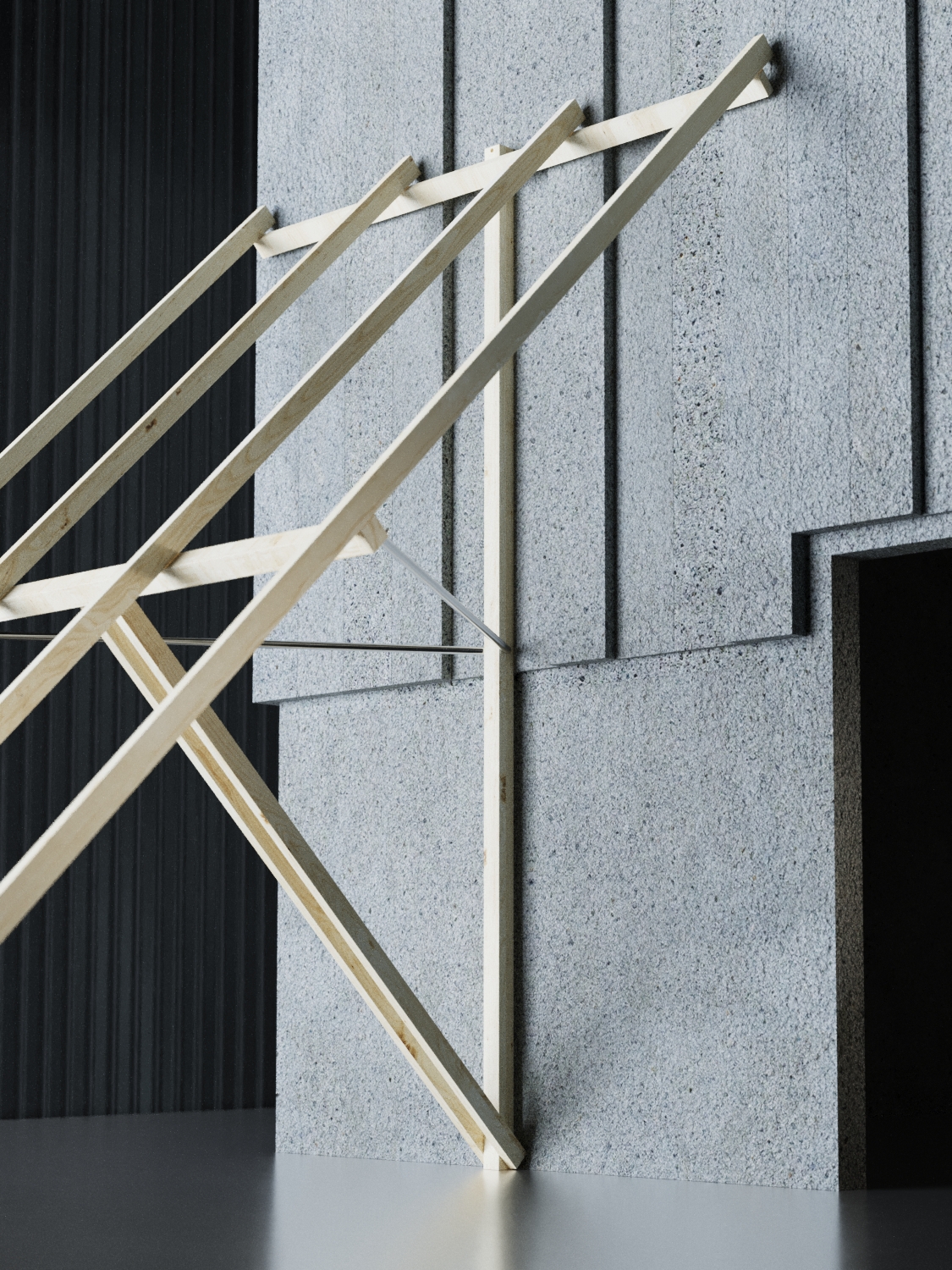
Today, Horst and fritz-kola announce the winners of fritz-kolab 2026, the yearly open call for spatial design focused on up and coming voices in architecture. The winning submission, from Bureau Barme, Laurens & Luguern will be constructed on site at Asiat Park and unveiled during Horst Festival on 14 ,15 & 16 May.

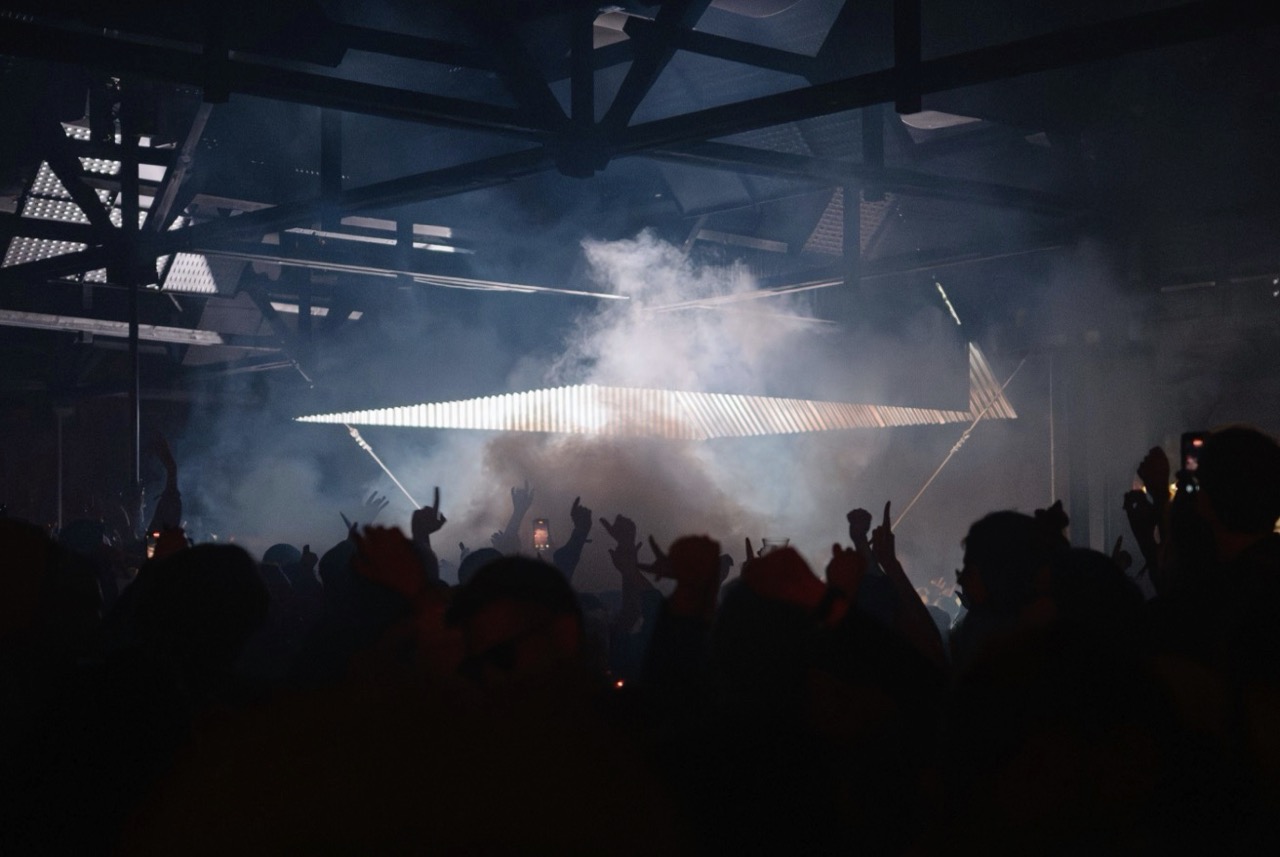
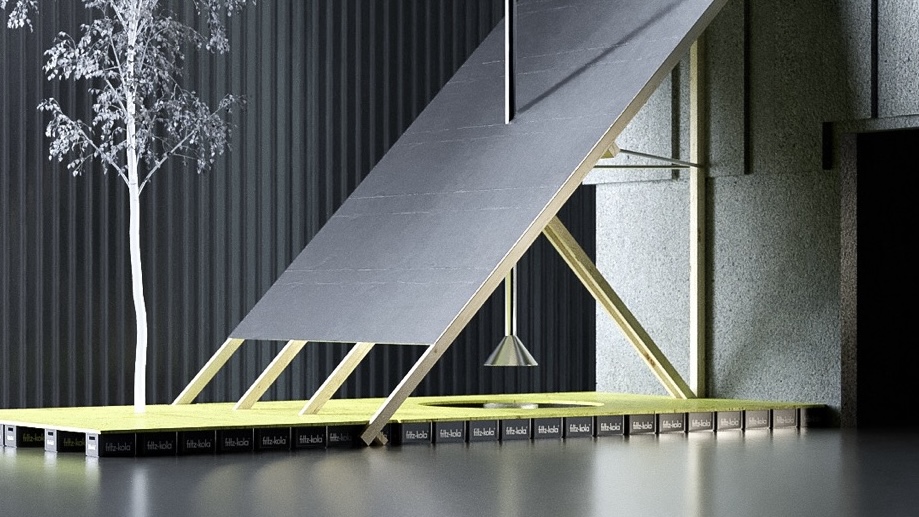
For this edition, participants were challenged to transform the existing fire pit at Asiat Park into a covered, open space - a place to gather, warm up, cook, rest and reconnect. Rooted in the long-standing social role of fire as a catalyst for community, the brief called for a meaningful, welcoming and safe environment that visitors could return to throughout the festival, club nights and beyond.

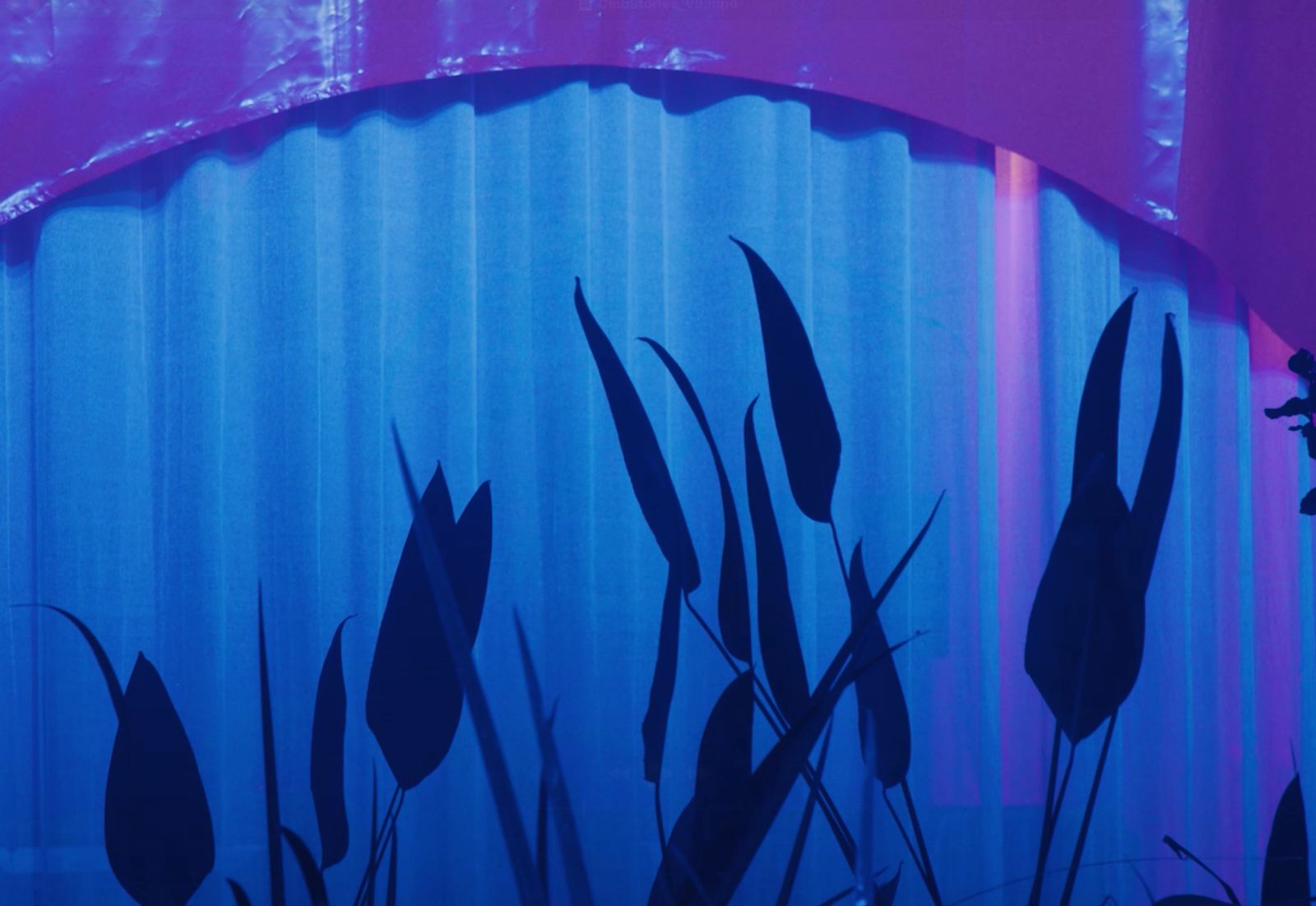
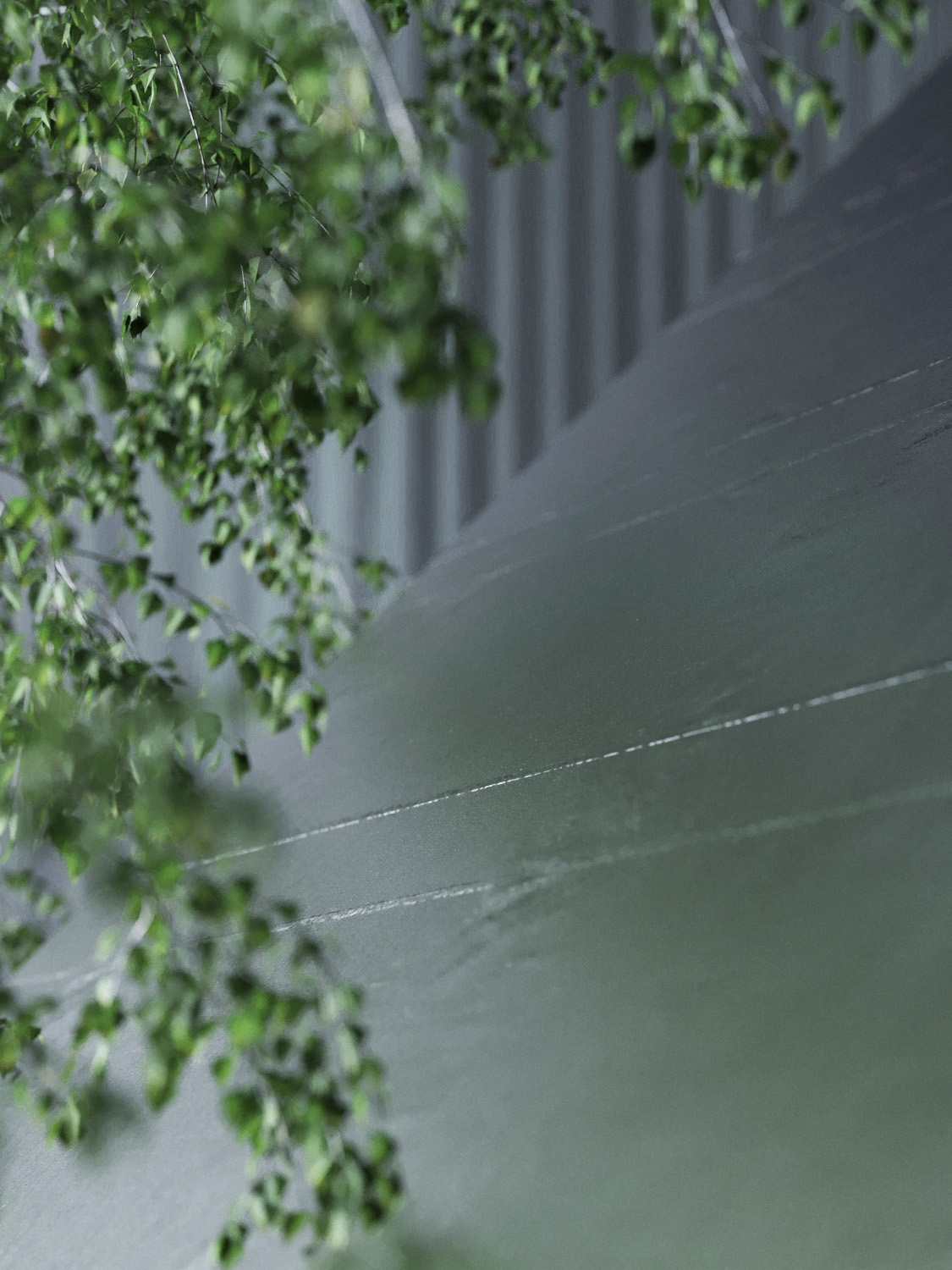
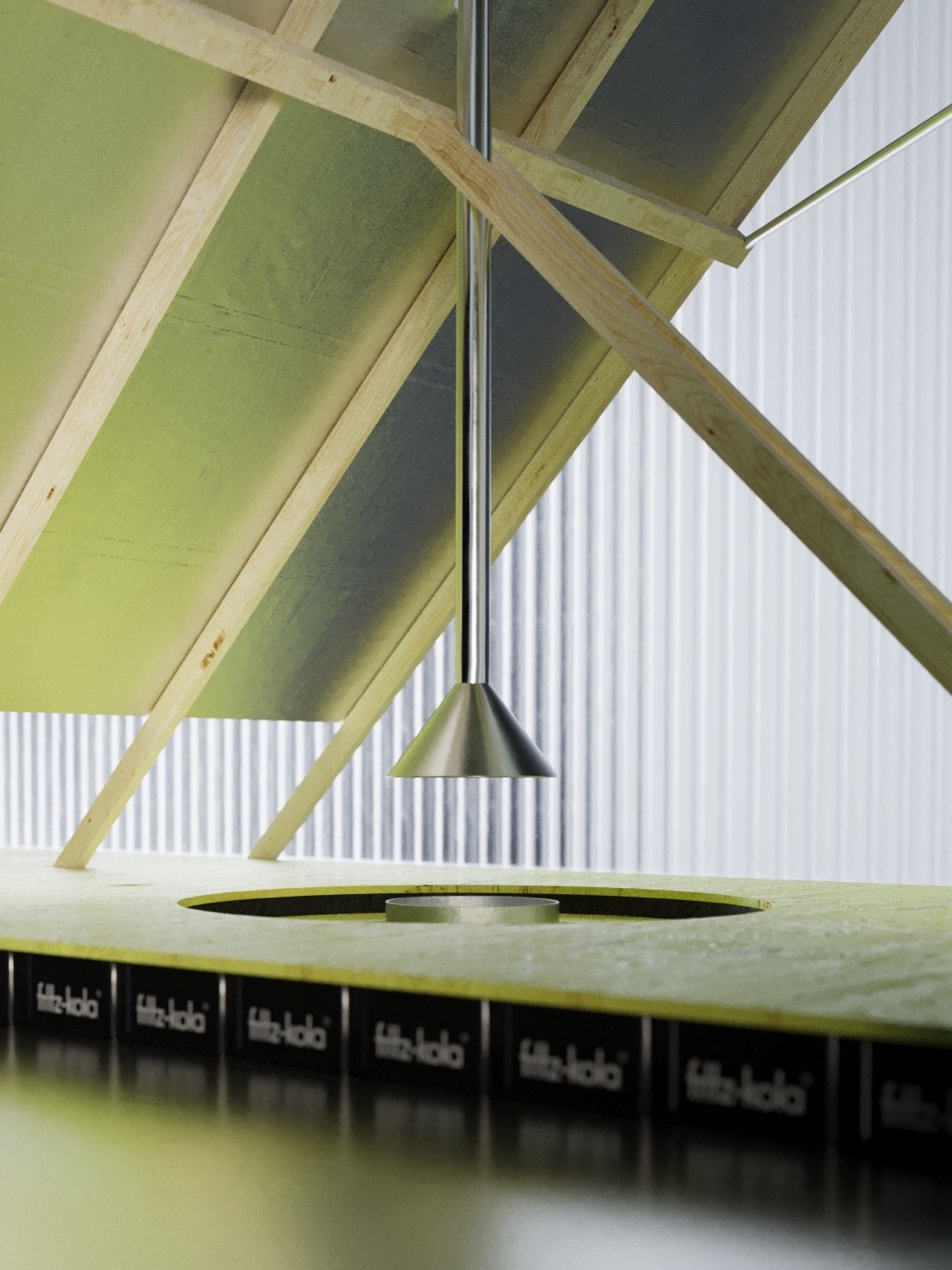
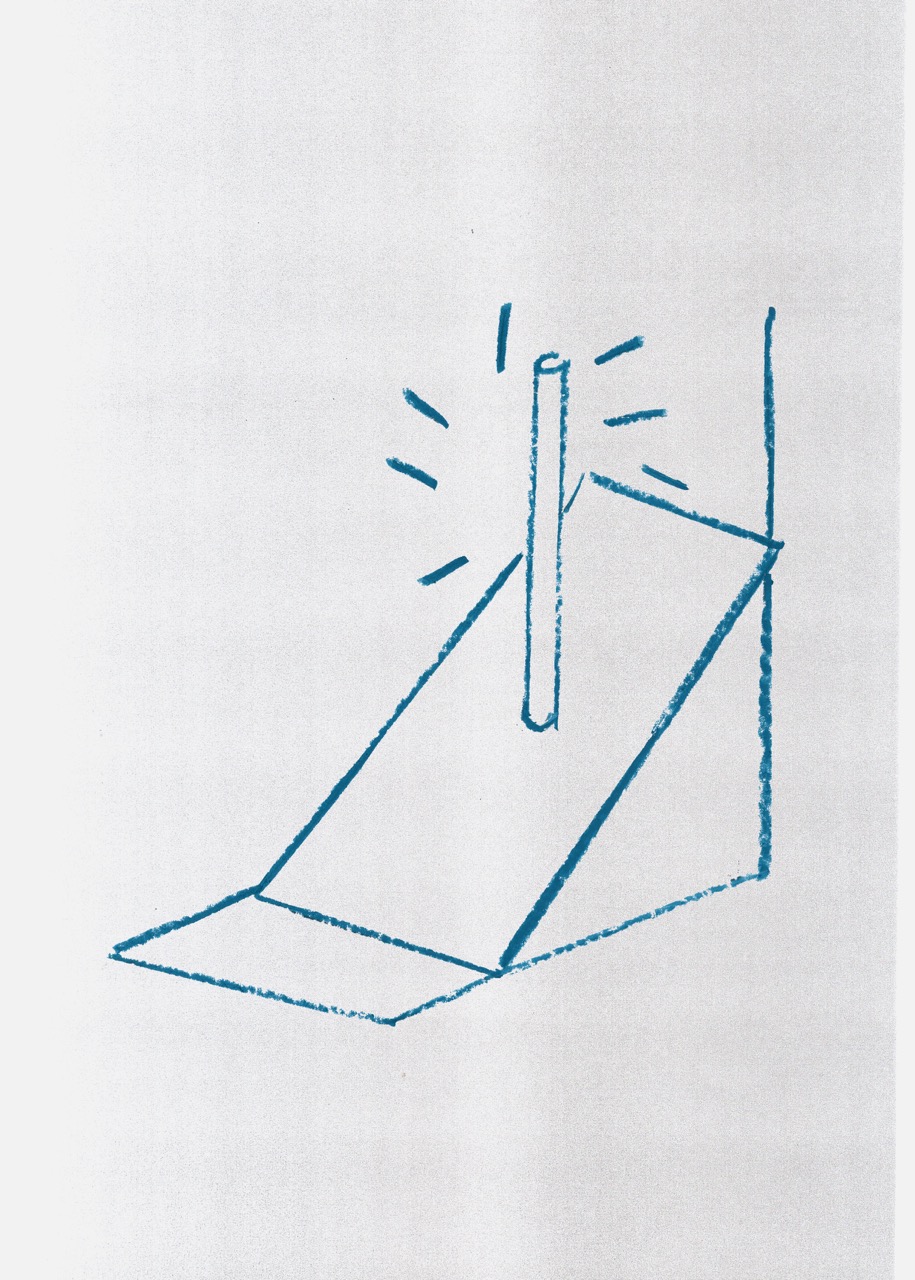
Chosen from nearly 300 applications, the Swiss–Brussels collaboration stood out with Burden of Dreams. Their proposal reimagines the fire pit as a low-tech and accessible place of gathering, built around fire, pause and togetherness. Designed to be demountable and reusable, it is meant to live on beyond the festival and invite people to linger, warm up and make the space their own. The space is accessible, flexible and open to multiple uses inviting bodies to meet, rest and linger longer than expected. By design, the project blurs the boundary between public and intimate, shaping a dreamlike atmosphere through reflections, shadows and smoke that evolves throughout the day and night.
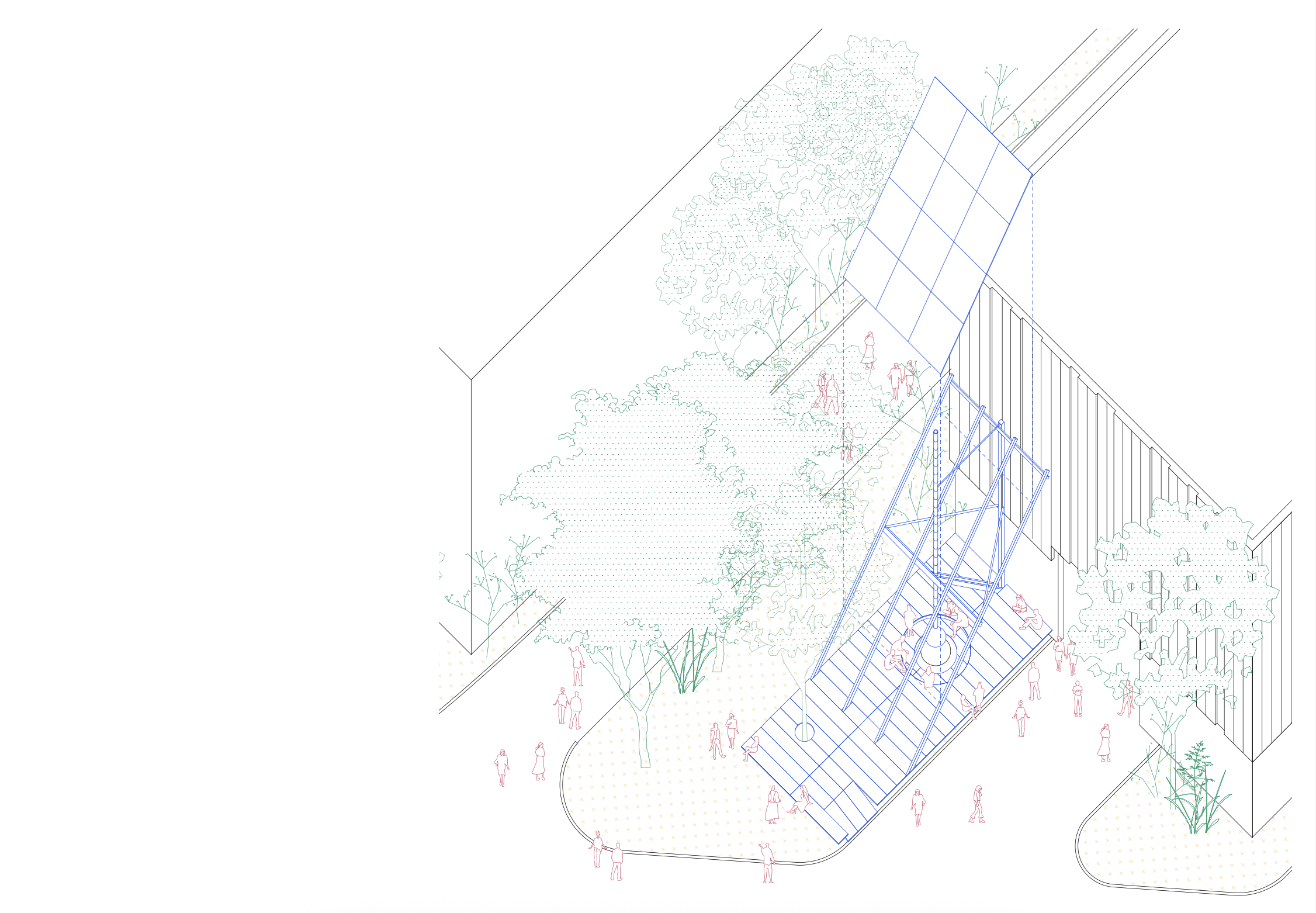
The jury, made up of leading architects and Horst and fritz-kola curatorial team praised the winning proposal for its strong spatial clarity and sensitivity to context:

“We believe that the proposal meets all of the stated requirements for Asiat Park, Horst Festival, and Horst Club. In addition, it uses a design language tailored to the park and its residents and visitors. We look forward to further developing and realizing this project with them.”
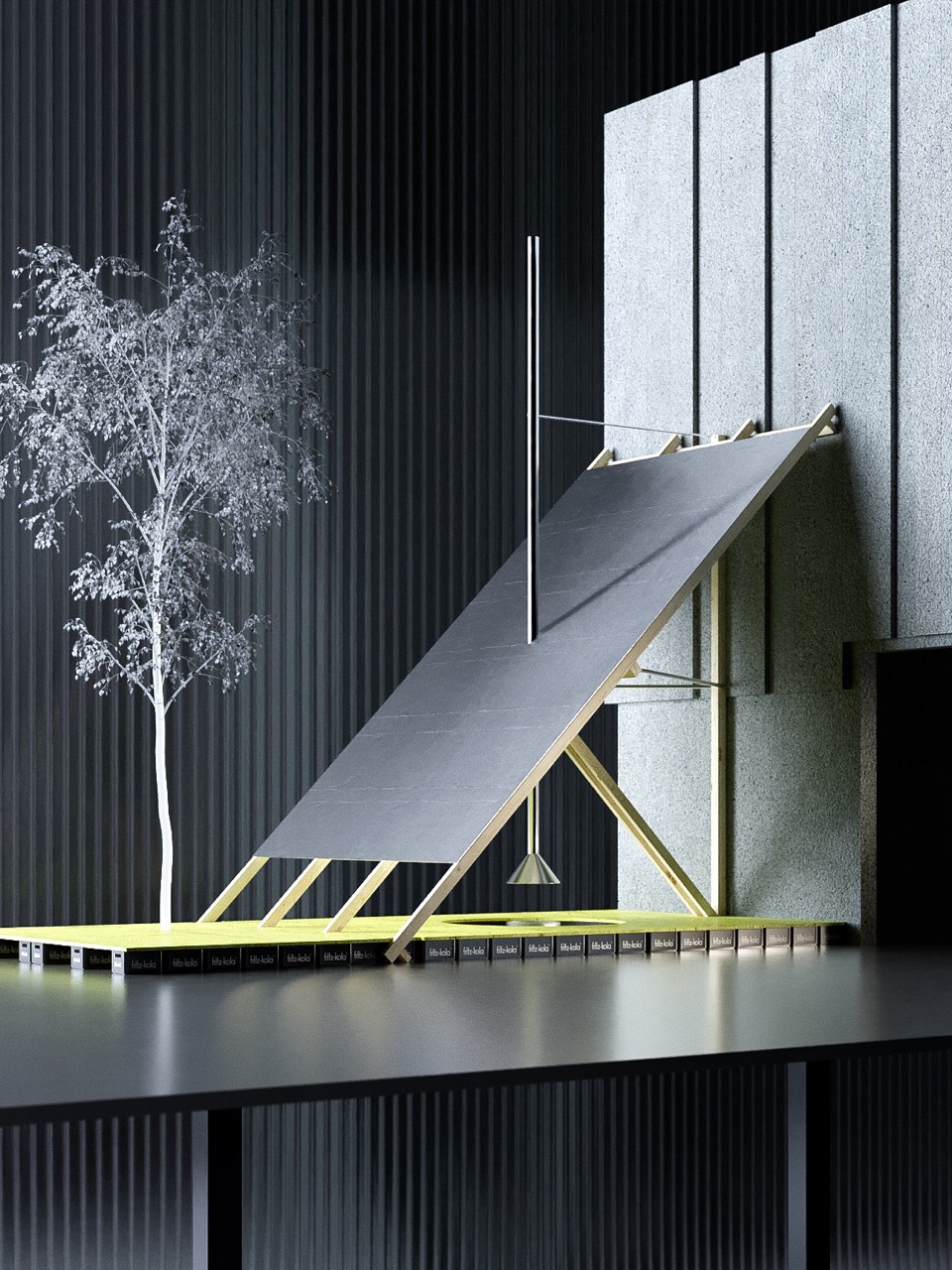
This initiative continues the commitment of fritz-kola and Horst to offering emerging architectural talent a unique opportunity to design and build innovative spatial installations. For fritz-kola, fritz-kolab reflects the brand’s ongoing commitment to independent culture, shared experiences and creating spaces that invite dialogue and togetherness beyond consumption.
No items found.
No items found.
No items found.
No items found.
No items found.
No items found.
No items found.
MORE NEWS

Horst Arts & Music is headed for new territories in 2025. Our festival grounds are expanding across the Zenne, for which a new pedestrian bridge will be built.

Leading architect Sumayya Vally, Principal of the Johannesburg/London-based studio Counterspace, has won the competition to design this new bridge in Vilvoorde, Belgium. The Asiat-Darse bridge is a project initiated by the city of Vilvoorde and Horst Arts and Music. It is financed by Kunst in Opdracht at the Flemish Ministry for Culture, and ANB, the Flemish Agency for Nature and Forest who partnered with DVW, the Agency for Flemish Waterways. Curator Heidi Ballet is artistic advisor for the project.

Counterspace’s response to the brief uncovered the story and legacy of Paul Panda Farnana, one of the most important, yet least acknowledged figures of the city, who epitomises the region’s complex relationships with past and future generations of migrant bodies and communities.

Sumayya Vally said: “Vilvoorde is a city celebrated for its diversity. It comprises multiple cultures, identities, and narratives. I was deeply moved to uncover the story of Paul Panda Farnana through our research, which then drove our response to the city’s brief for a pedestrian bridge. Trained as a horticulturist at the Vilvoorde Horticultural School not far from the site, this project will revive Farnana’s legacy by foregrounding the concept of the species explored in his research, alongside water architectures from the Congo.”

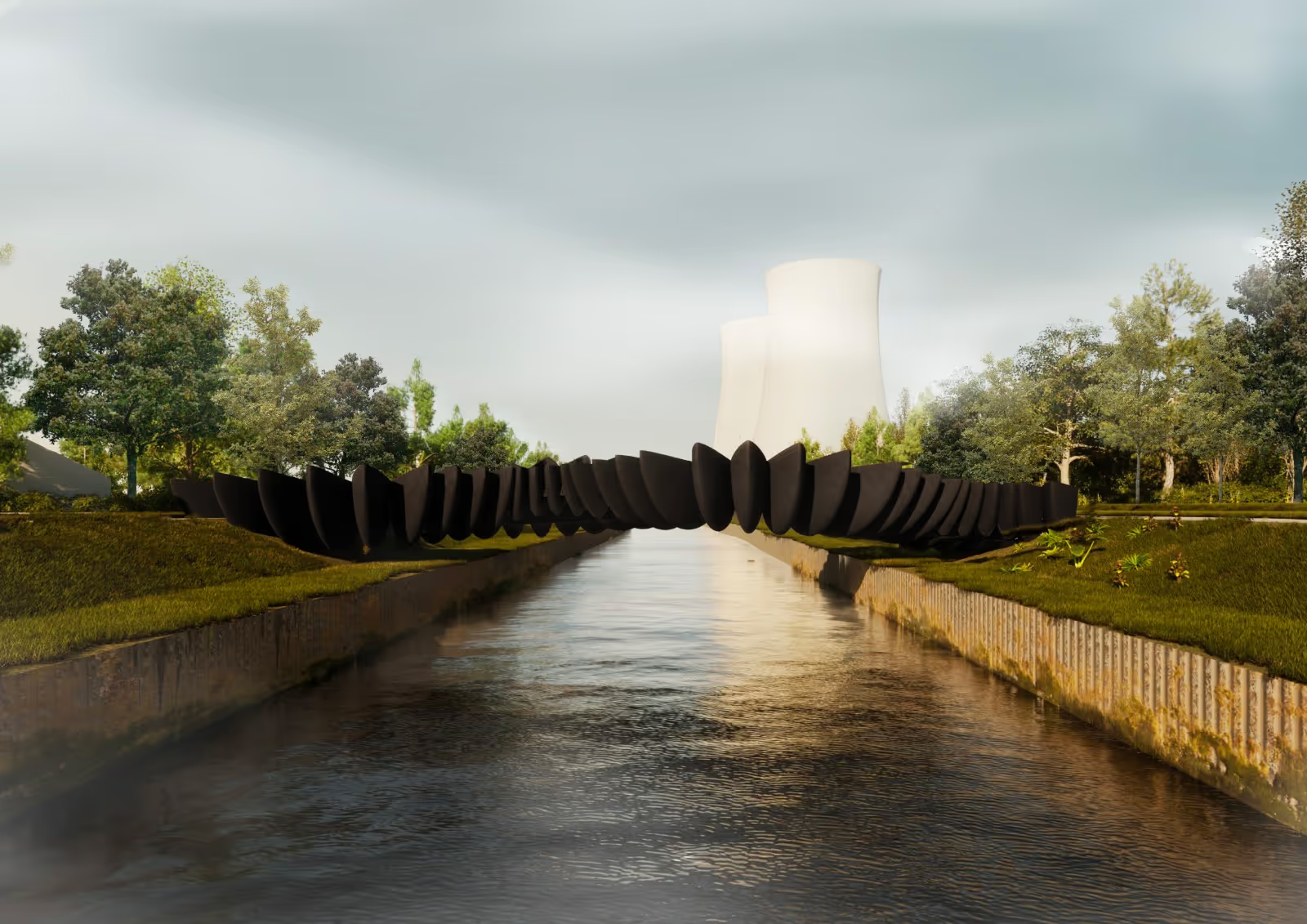
Vally took inspiration from water architecture of the Congo as one of the starting points to honour this history. Along the Congo River, fleets of dugout canoes are frequently seen docked alongside one another. As a collective, they form a communal platform, from which trading and gathering can take place. These images form the basis for the proposed Asiat-Darse bridge, itself a place of gathering of travellers, whether commuters or visitors. The bridge is constructed of a series of boats tied together to cross the canal.

“Trained as a horticulturist at the Vilvoorde Horticultural School not far from the Asiat site, this project will revive Farnana’s legacy by foregrounding the concept of the species explored in his research, alongside water architecture from the Congo.”

— Sumayya Vally

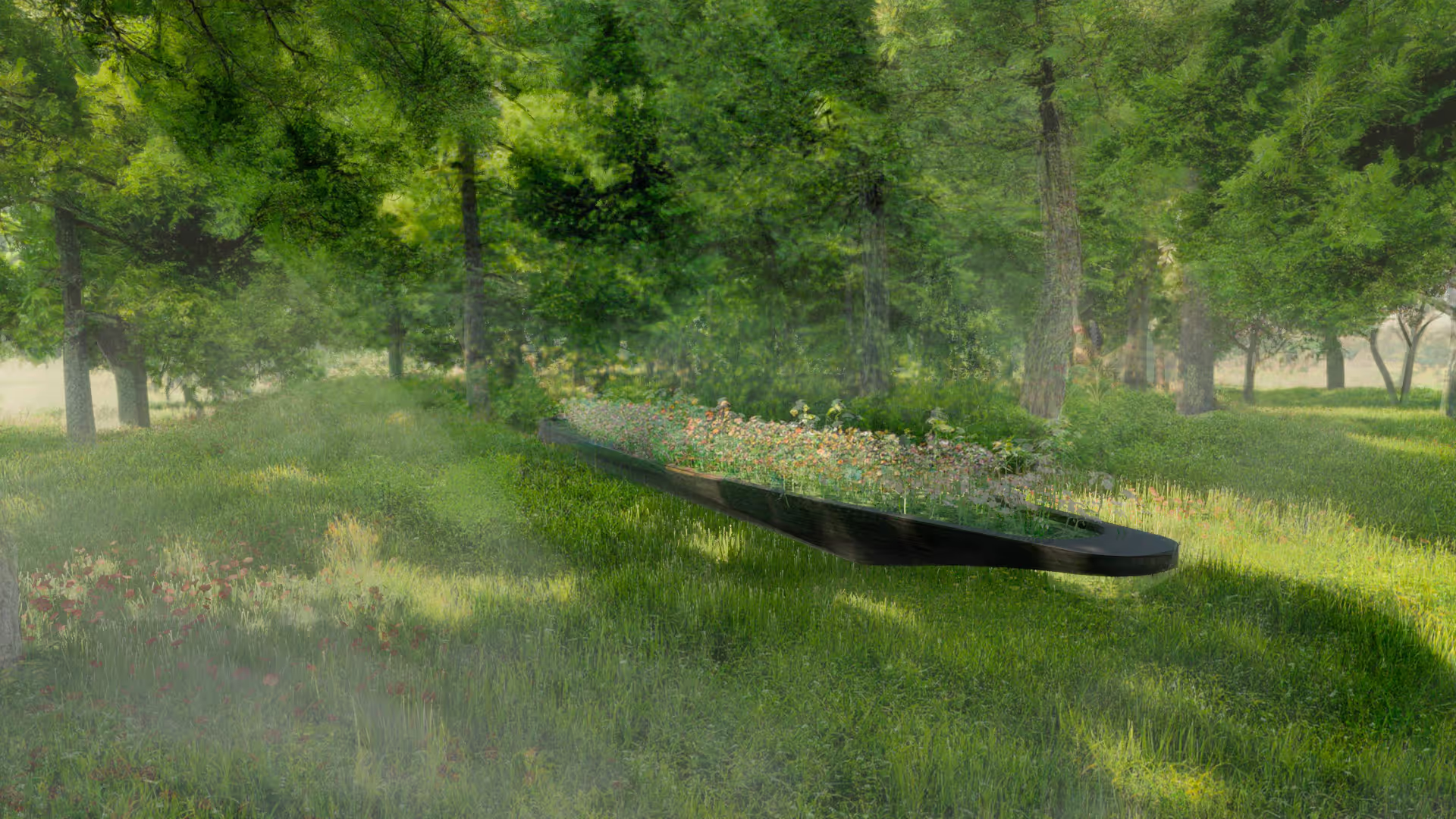
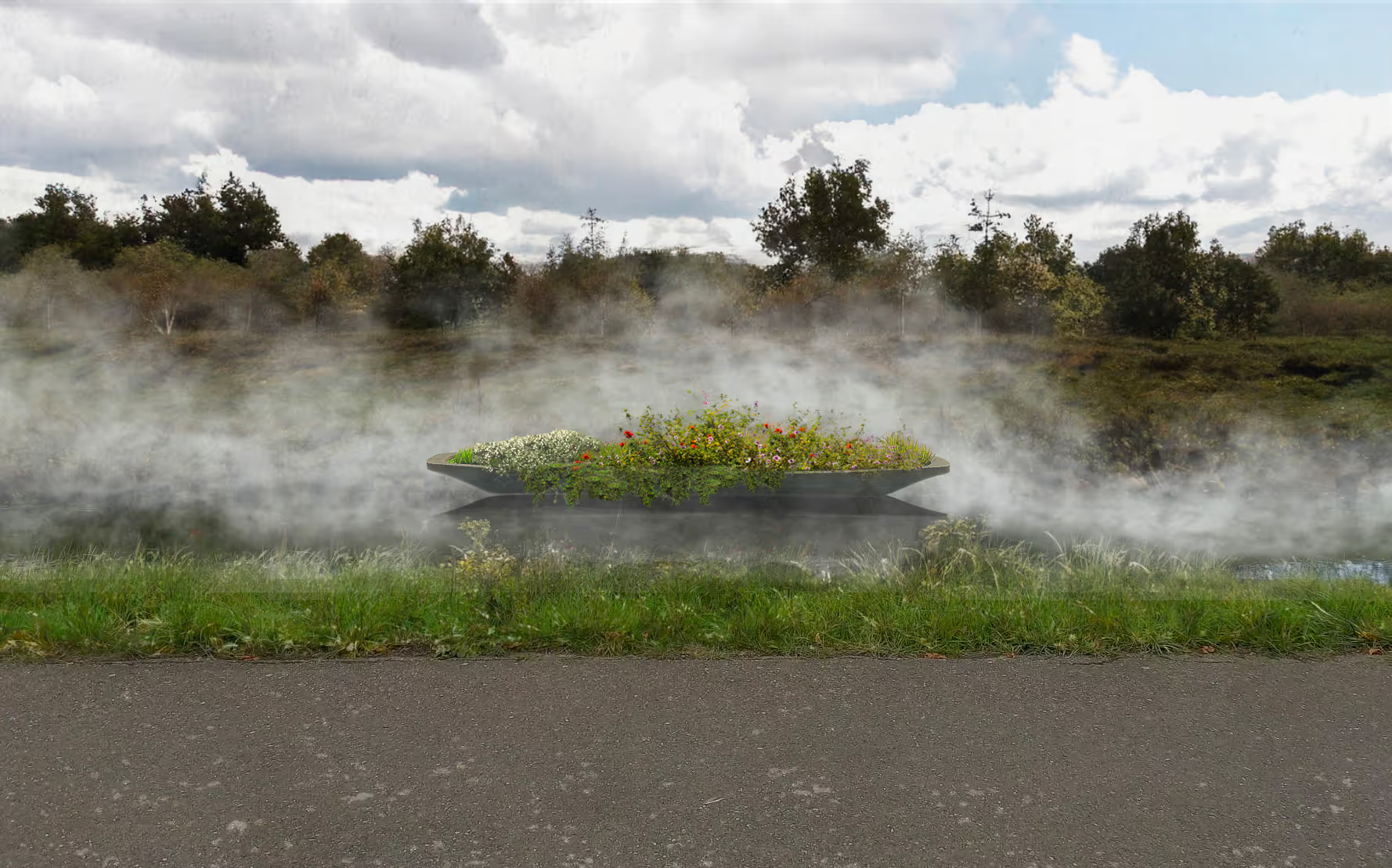
Vally looked at plants and species to honour Farnana’s horticultural work. Each ‘boat’ form serves as an isolated seed bed, in which specific plants can be cultivated in order for their seeds to be spread on the wind, and carried on the bodies of people travelling across the bridge. As a result, the bridge pays homage to Farnana’s horticultural work, serving as a nursery, or seeding bed from which plants may distribute themselves, migrating across the site.

In addition to the main structure, several smaller boat structures are proposed, which embed themselves along the river bank. Each of them will be named after the labourers whose names were included on the register from the Congo, which the studio discovered in their research. Every boat will act as a pollinator - pollinating an industrial zone and acting as a little garden for reflection for passers-by to rest in.

“A bridge is a connector - in our project, it is a connector to past and future narratives of migration too. It is my hope that this project helps to embody and raise awareness on the story of Farnana, and that it reminds us as architects that we have to listen deeply to the grounds of the contexts we work in. There is always architecture waiting to happen in places that are overlooked.”

— Sumayya Vally

ABOUT SUMAYYA VALLY

Sumayya Vally is Principal of Counterspace—an award-winning design, research and pedagogical practice searching for expression for hybrid identities and territory, particularly for African and Islamic conditions—both rooted and diasporic. Her design process is often forensic, and draws on the aural, performance and the overlooked as generative places of history and work.

In 2022, Vally was selected by the World Economic Forum to be one of its Young Global Leaders, a community of the world’s most promising artists, researchers, entrepreneurs, activists, and political leaders, and, as a TIME100 Next list honoree, has been identified as someone who will shape the future of architectural practice and canon. She has joined the World Monuments Fund Board of Directors, and serves on several boards through her interest in dynamic forms of archive, embodied heritage, and supporting new networks of knowledge in the arts. The Royal Architectural Institute of Canada inducted Sumayya into its 2023 Honorary Fellowship, which recognises individuals that exemplify the tremendous impact that architects have—not only on the built environment, but also on public life and the world around them.

In 2019, Counterspace was invited to design the 20th Serpentine Pavilion in London, making Vally the youngest architect ever to win this internationally renowned commission. Vally is also the Artistic Director of the inaugural Islamic Arts Biennale in Jeddah.

We use cookies and other technologies to enhance site navigation, analyse site usage, and assist in our marketing efforts.

By clicking “Accept”, you agree to the storing of cookies on your device. View our Cookie Policy for more information or adjust your Preferences.