ON
VIEW
VIEW

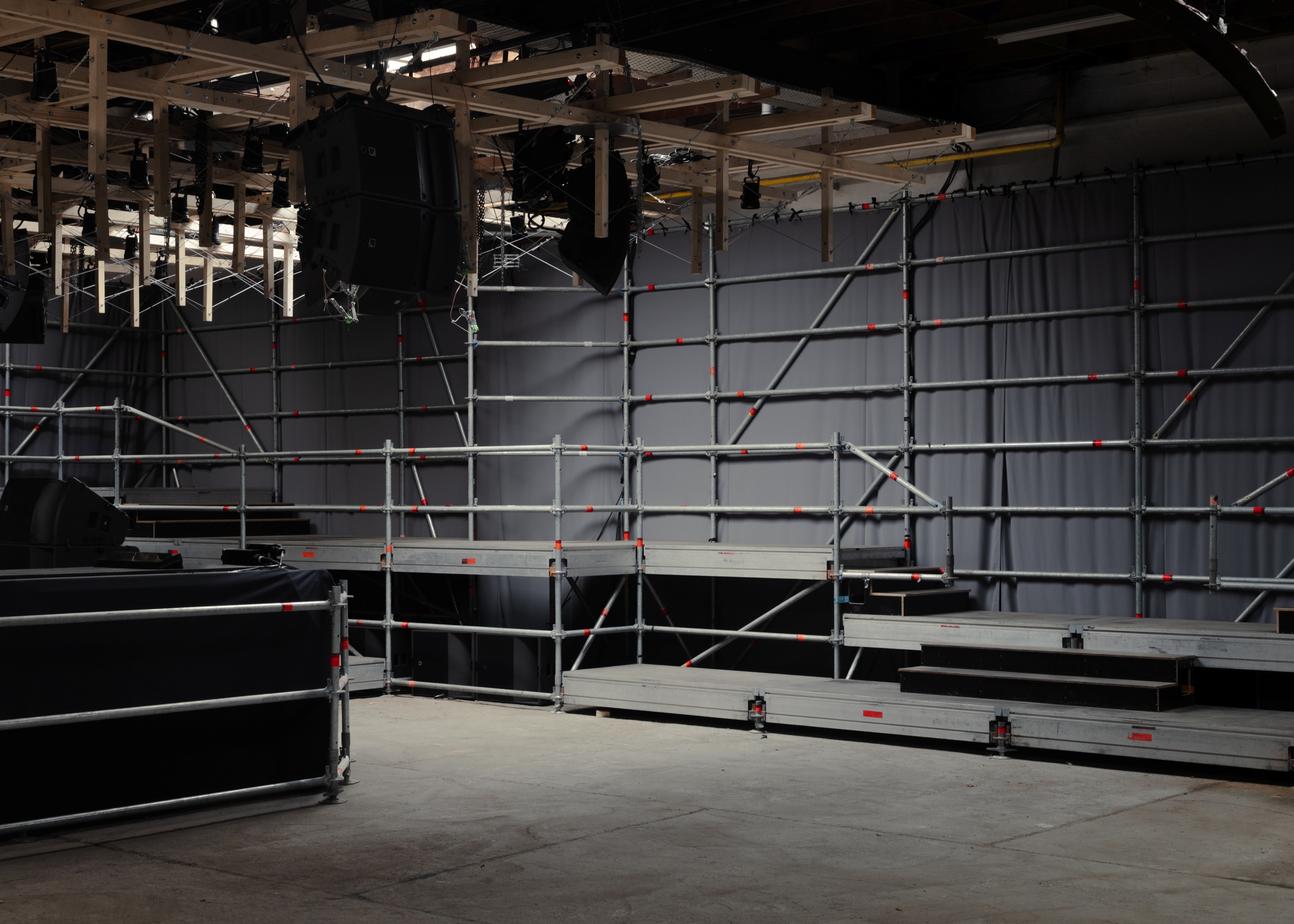
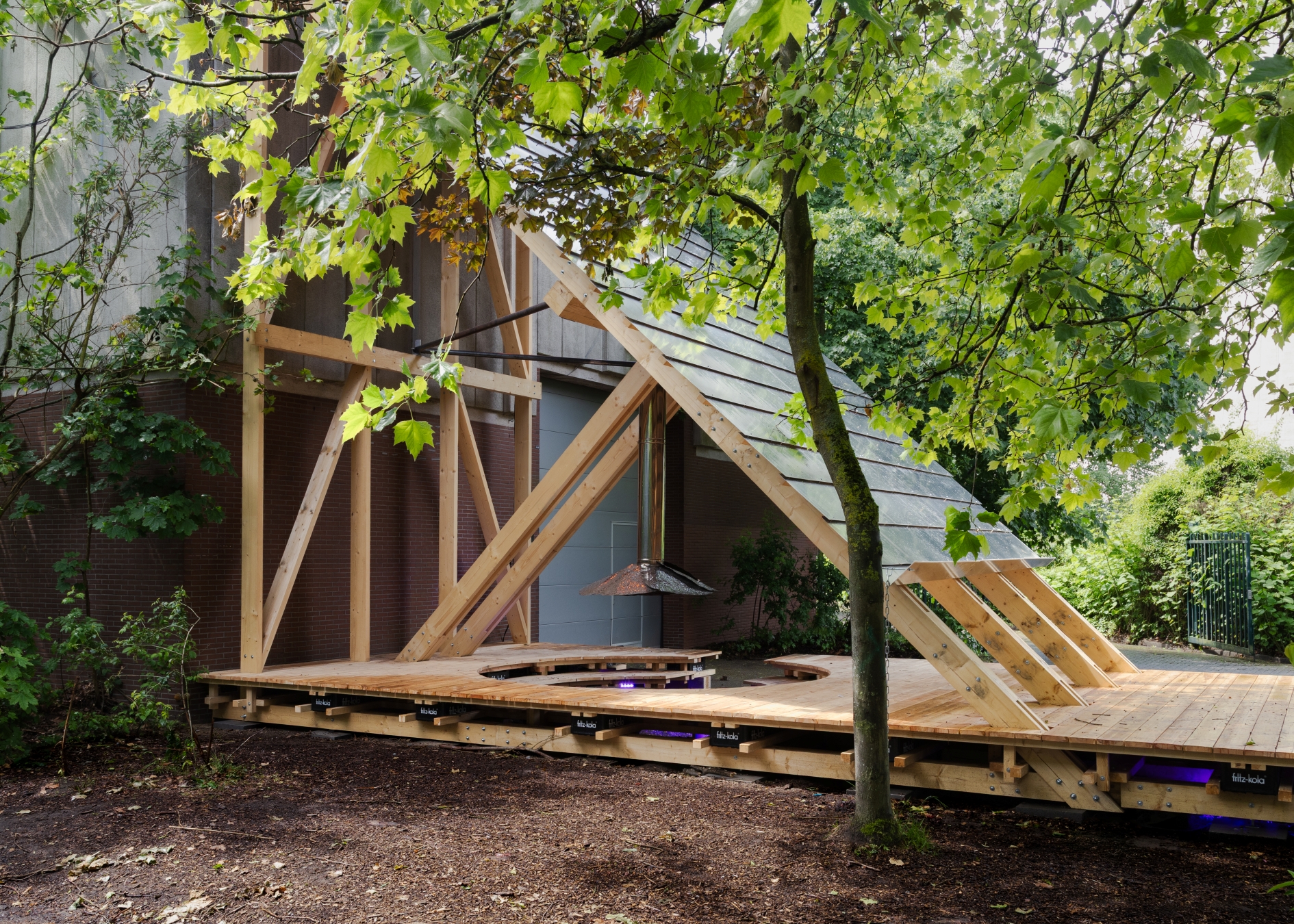
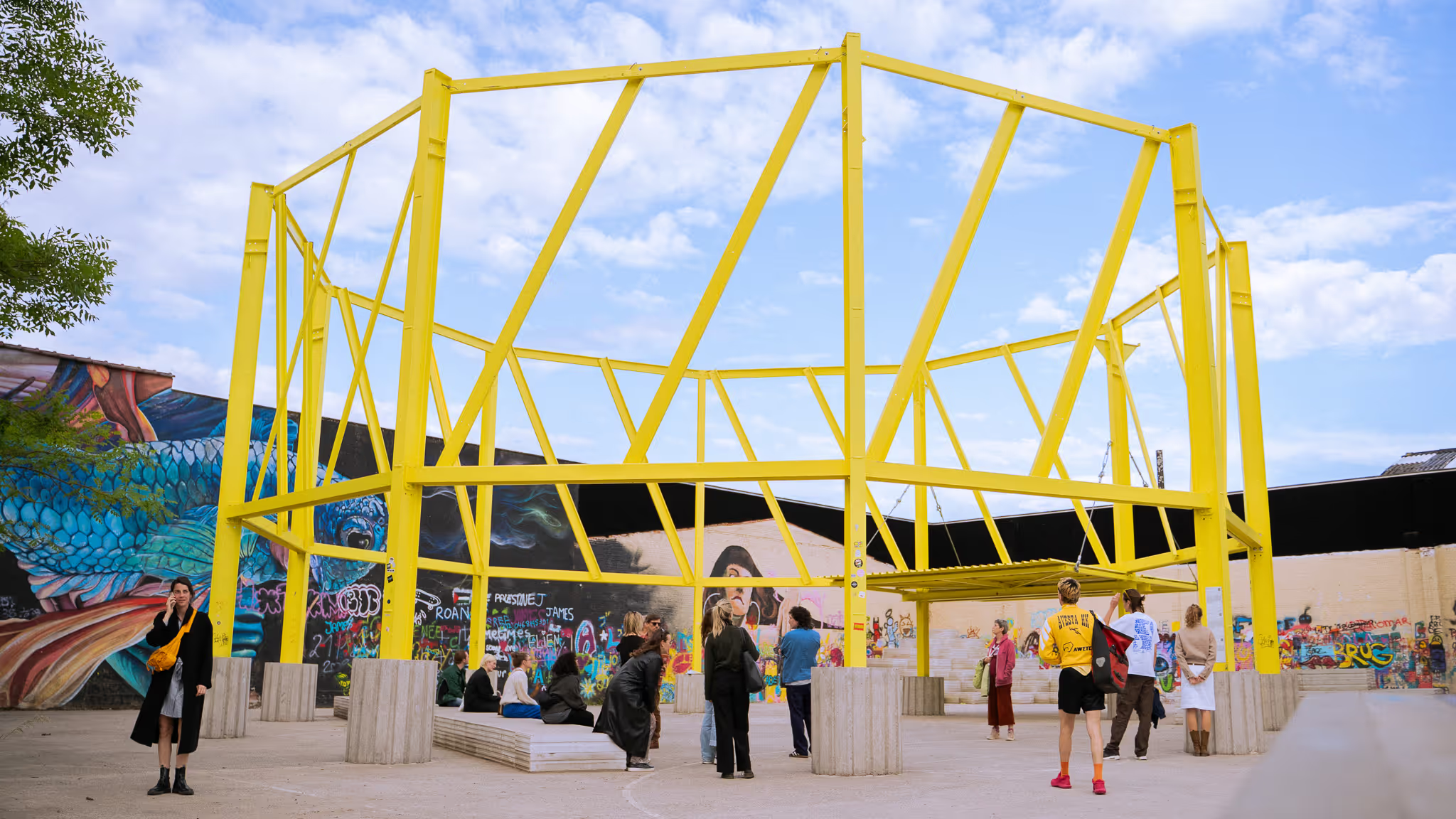
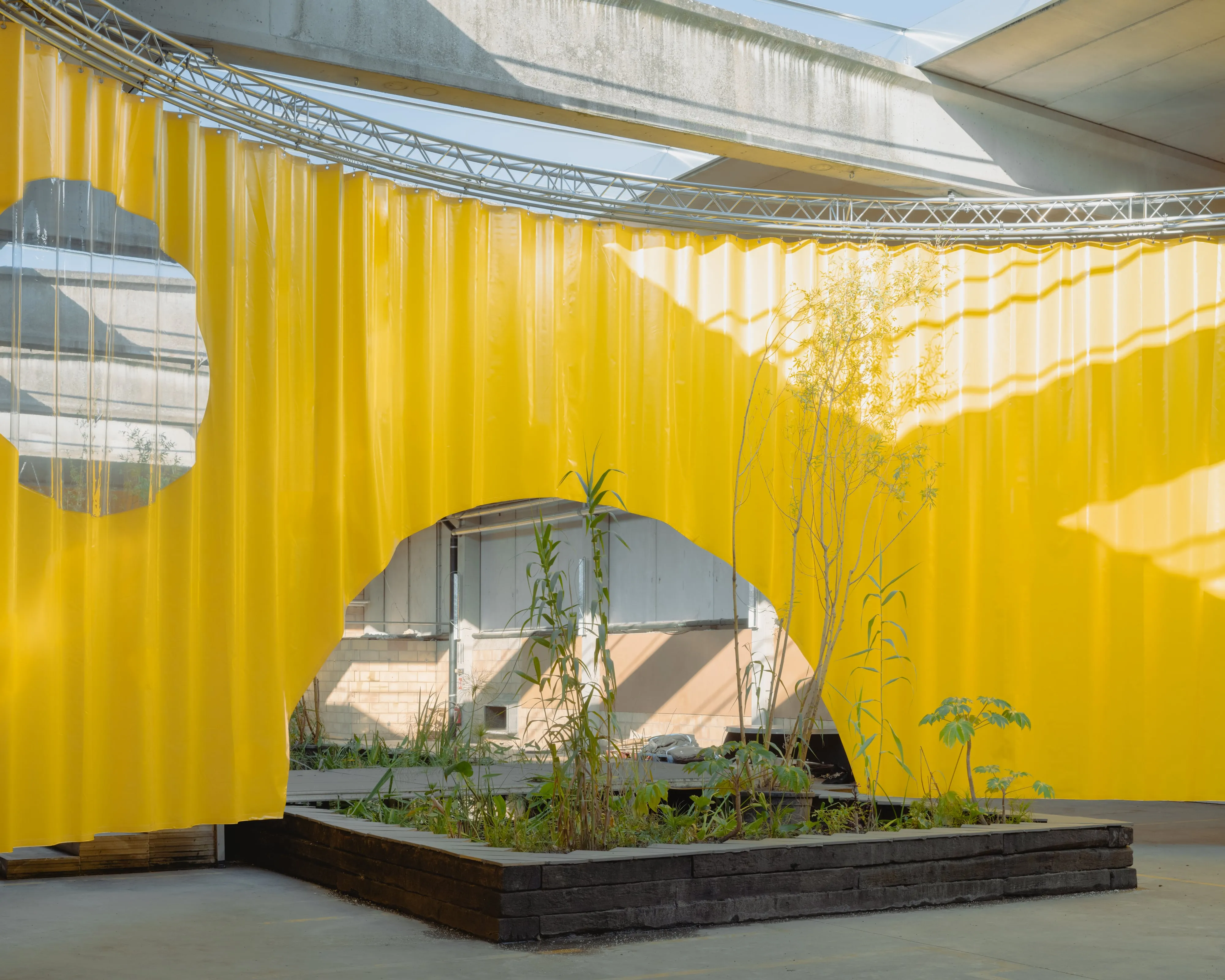
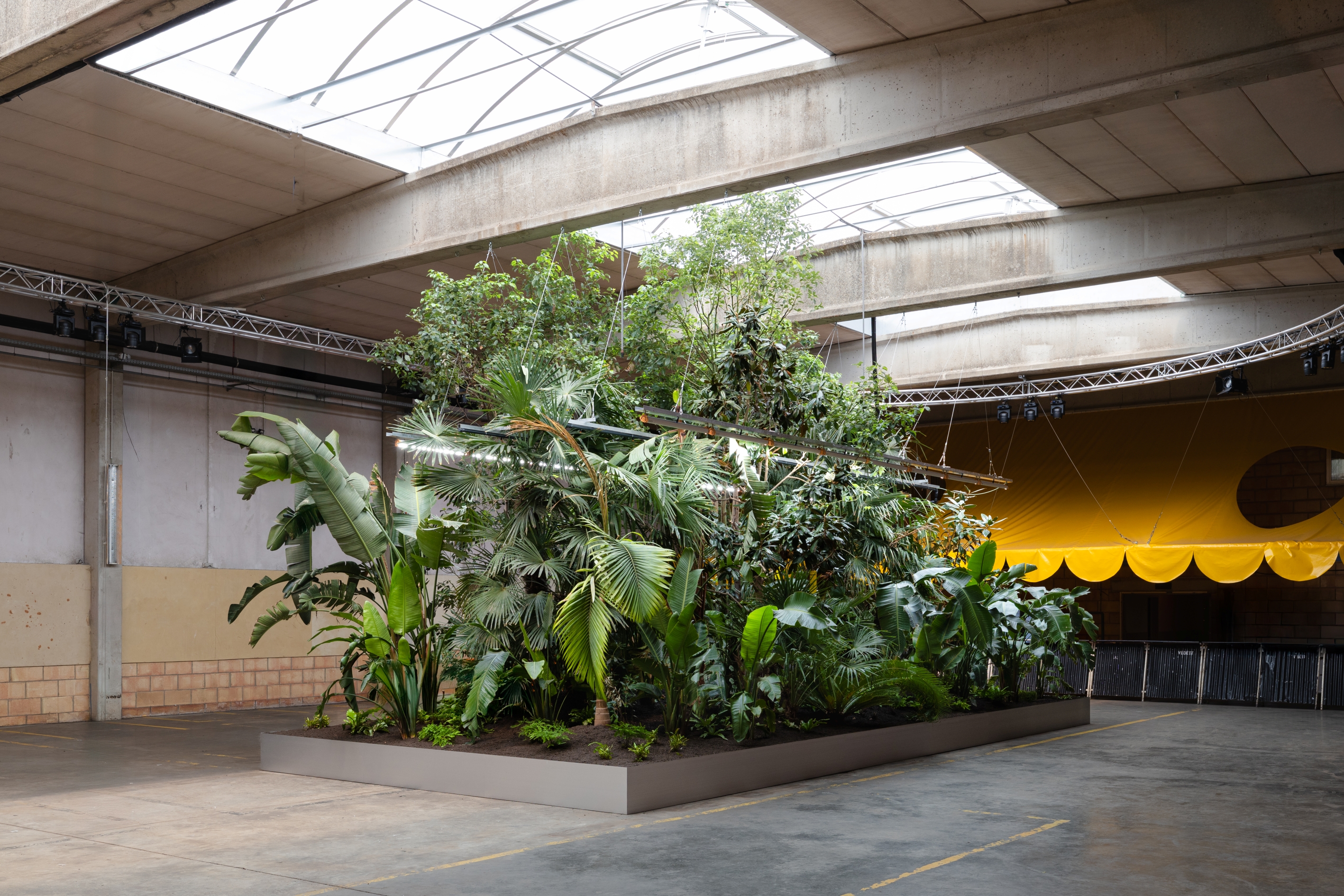
Horst Club gets a new main room: Strato. A living, layered space divided in three; ground, sky, and celestial sphere.
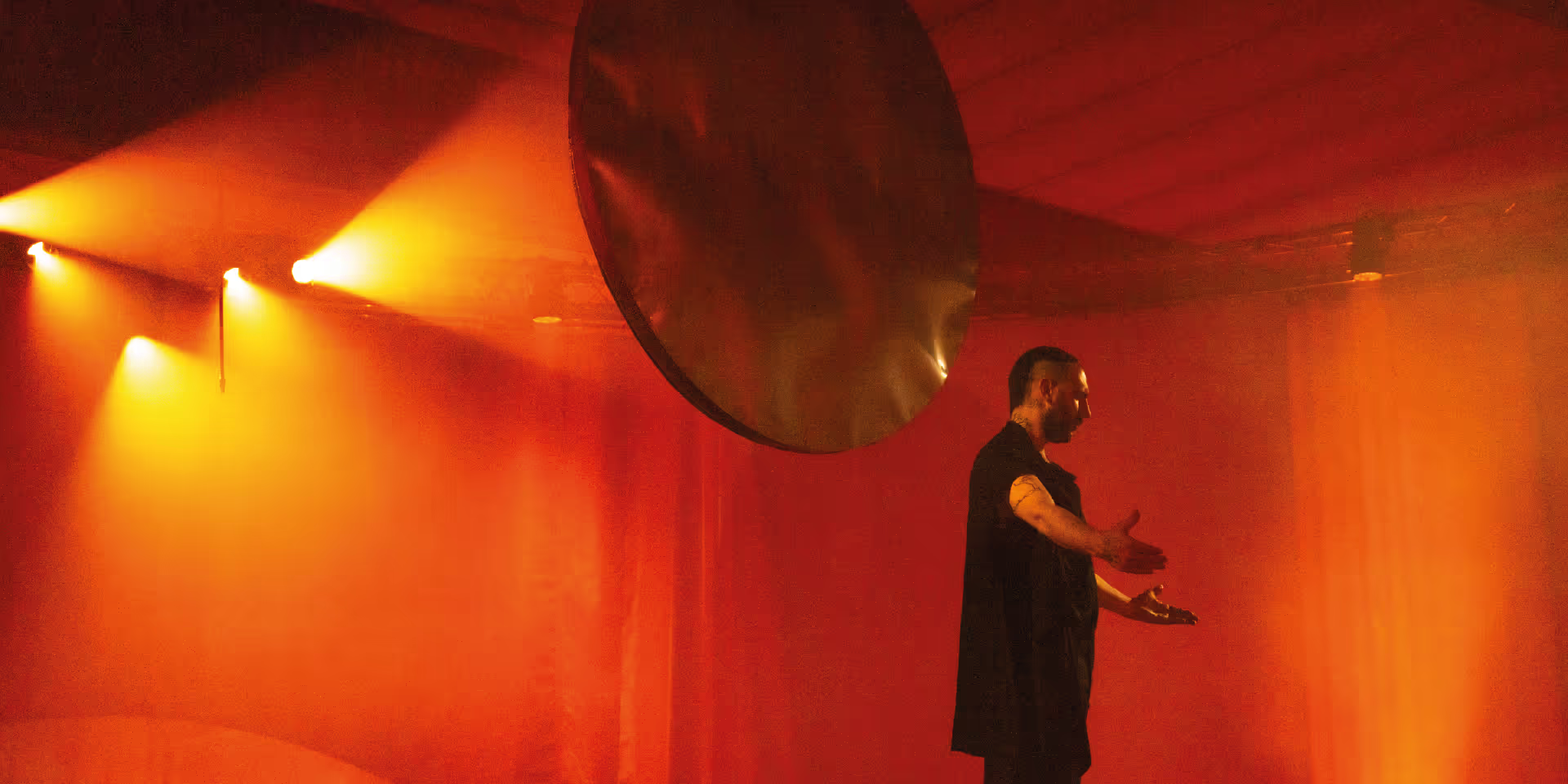
Each corresponds to a different part of the sound spectrum: the ground pulses deep corporal subs, the sky carries mindful data mids, the celestial sphere suspended in ethereal highs. Light threads the space; a throughline for the three layers to find resonance as a whole.
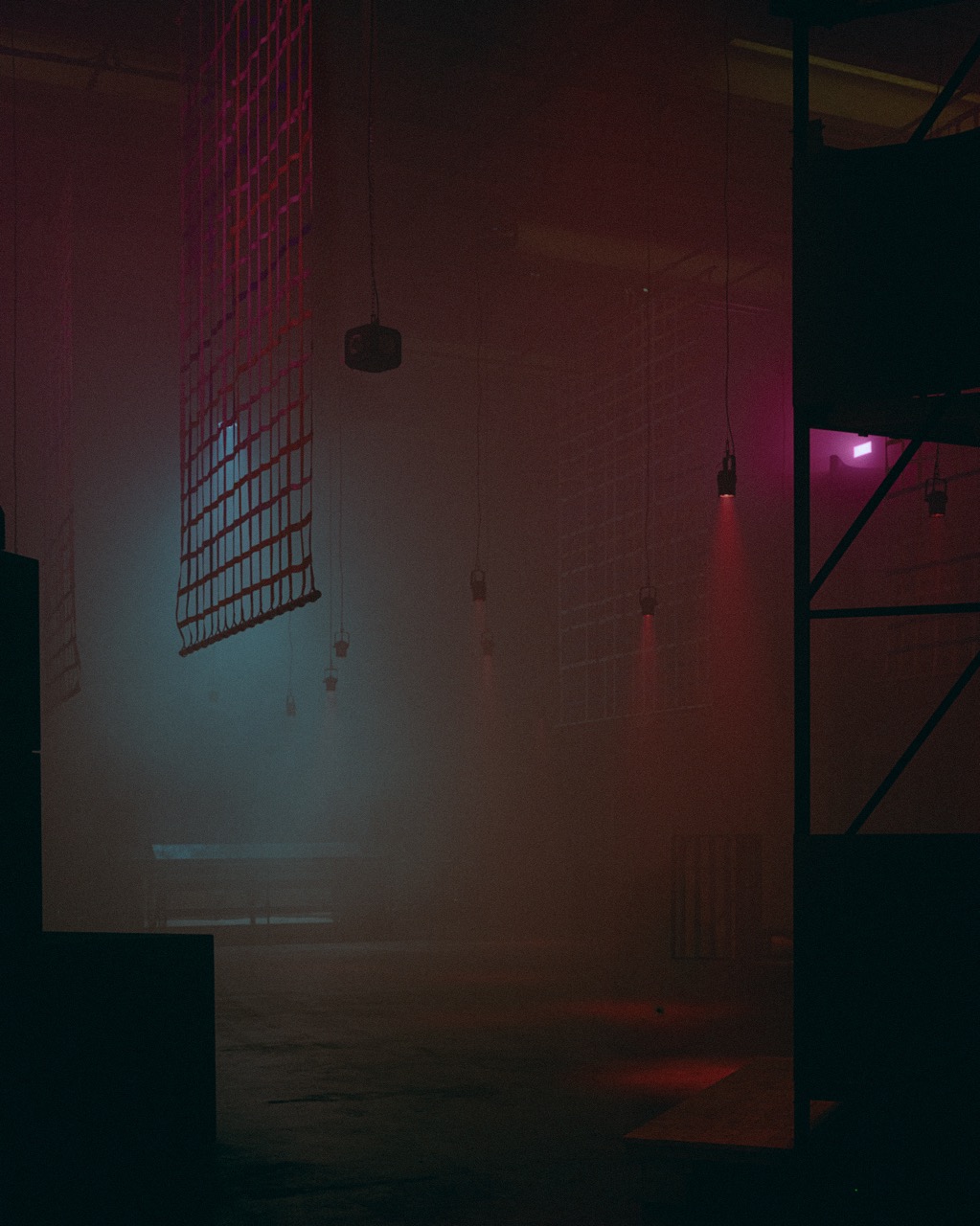
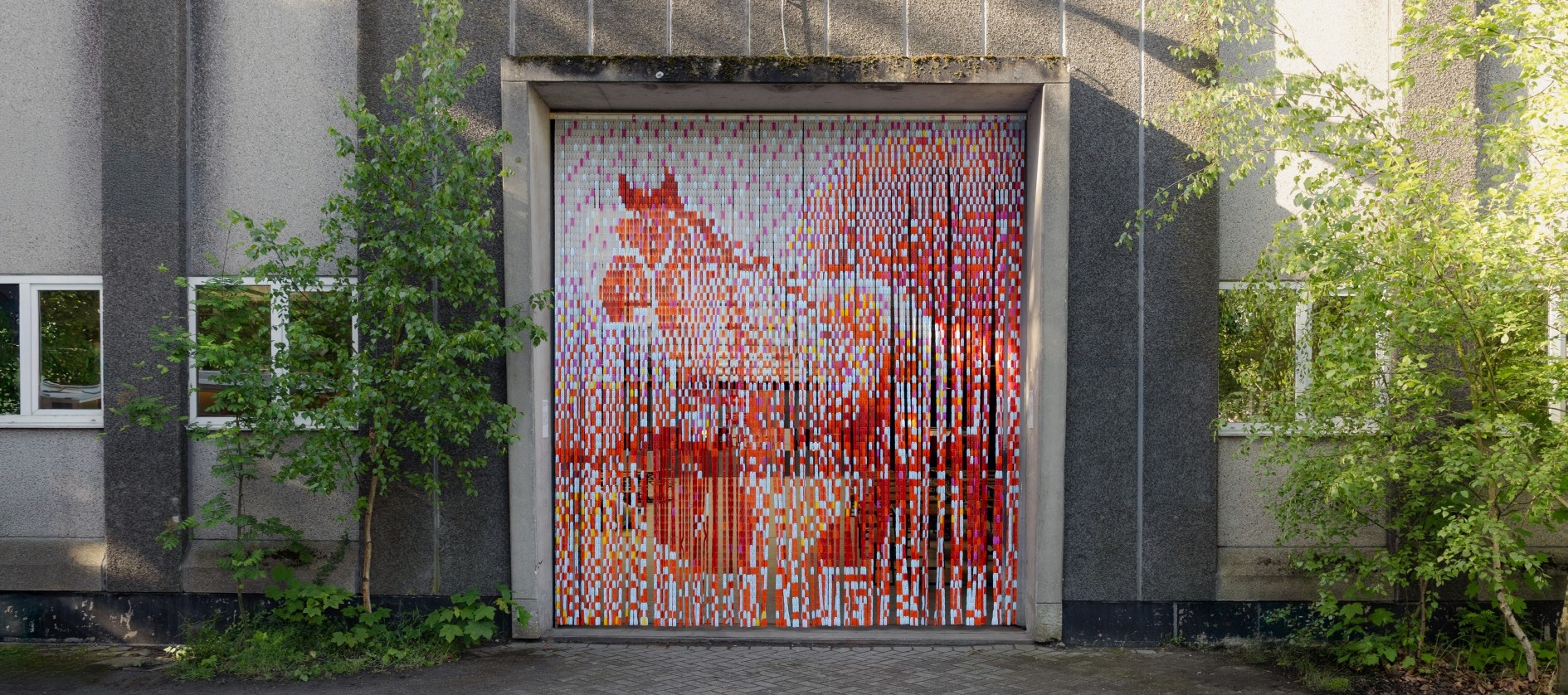
At the heart lies a compact central dance floor, framed by four monumental colored nets. They rotate and respond to intensity: enclosing dancers into an intimate cocoon, or opening outward to let the space expand. Around this core unfolds a topography of platforms and structures (think: stages, balconies, hidden corners) each inviting a different kind of movement. The room constantly reinvents its own scale in dialogue with rhythm, light, and energy.
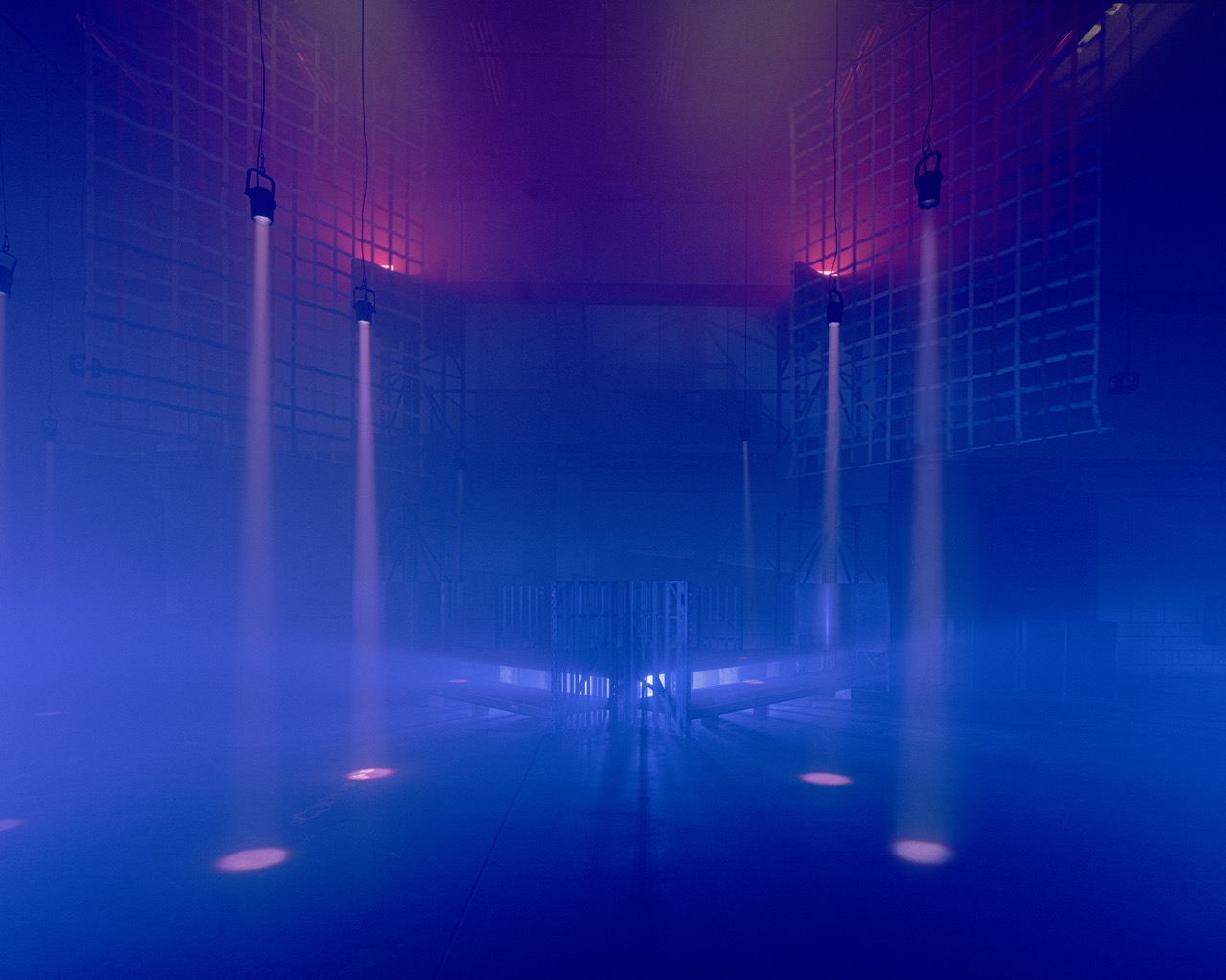
Above, the ceiling becomes a carpet of light points. One luminous dot travels slowly along the length of the hangar, like a sun crossing the space in a 24-hour cycle; a quiet marker of time for non-stop dancing.
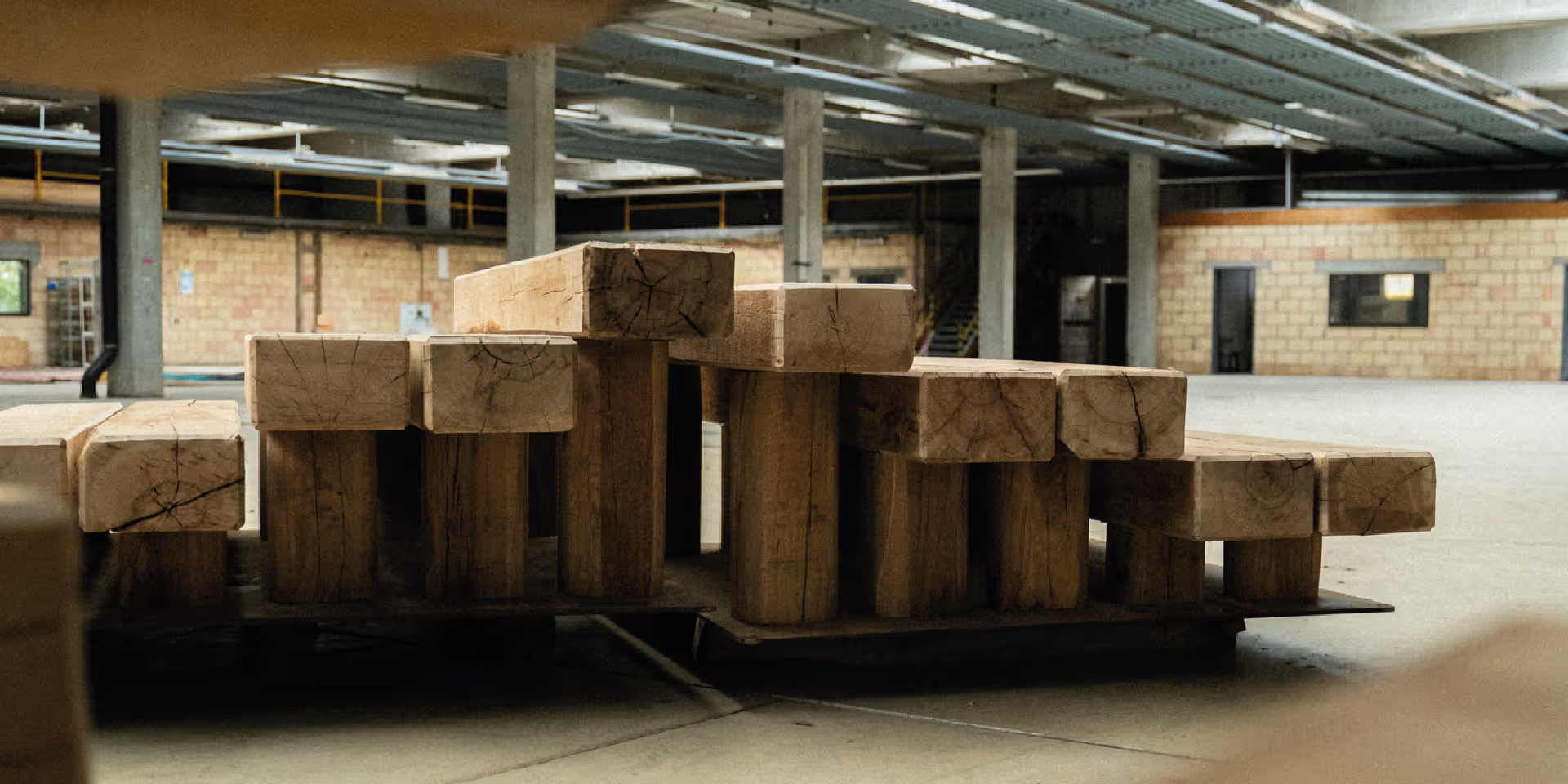
Architects Laura Muyldermans, Sophia Holst, and light artist Ofer Smilansky took an integrated approach by treating structure and light as equals, reusing industrial materials from previous iterations to build a more fluid and open spatial experience that lets shadow, texture, and reflection lead the way.
Orchestrating light, sound and architecture into 3D topography, Strato is a place where artists, audiences, and ideas converge.
{{images-1}}
Strato is the brainchild of three visionary creatives:
Ofer Smilansky, Brussels-based artist and synesthete, transforms sound, light, and movement into visceral, immersive experiences, turning the space itself into a responsive, sensory environment.
Scenographer Laura Muyldermans sculpts forms and theories with joyful experimentation and socially engaged insight, inviting interaction and discovery into each contour.
Sophia Holst, architect-researcher operating between Belgium and the Netherlands, works on the foundations of an alternative architecture in which critical urban theory and applied design are inextricable.

The rich text element allows you to create and format headings, paragraphs, blockquotes, images, and video all in one place instead of having to add and format them individually. Just double-click and easily create content.
A rich text element can be used with static or dynamic content. For static content, just drop it into any page and begin editing. For dynamic content, add a rich text field to any collection and then connect a rich text element to that field in the settings panel. Voila!
Headings, paragraphs, blockquotes, figures, images, and figure captions can all be styled after a class is added to the rich text element using the "When inside of" nested selector system.



.webp)

.jpg)
.avif)
.jpg)