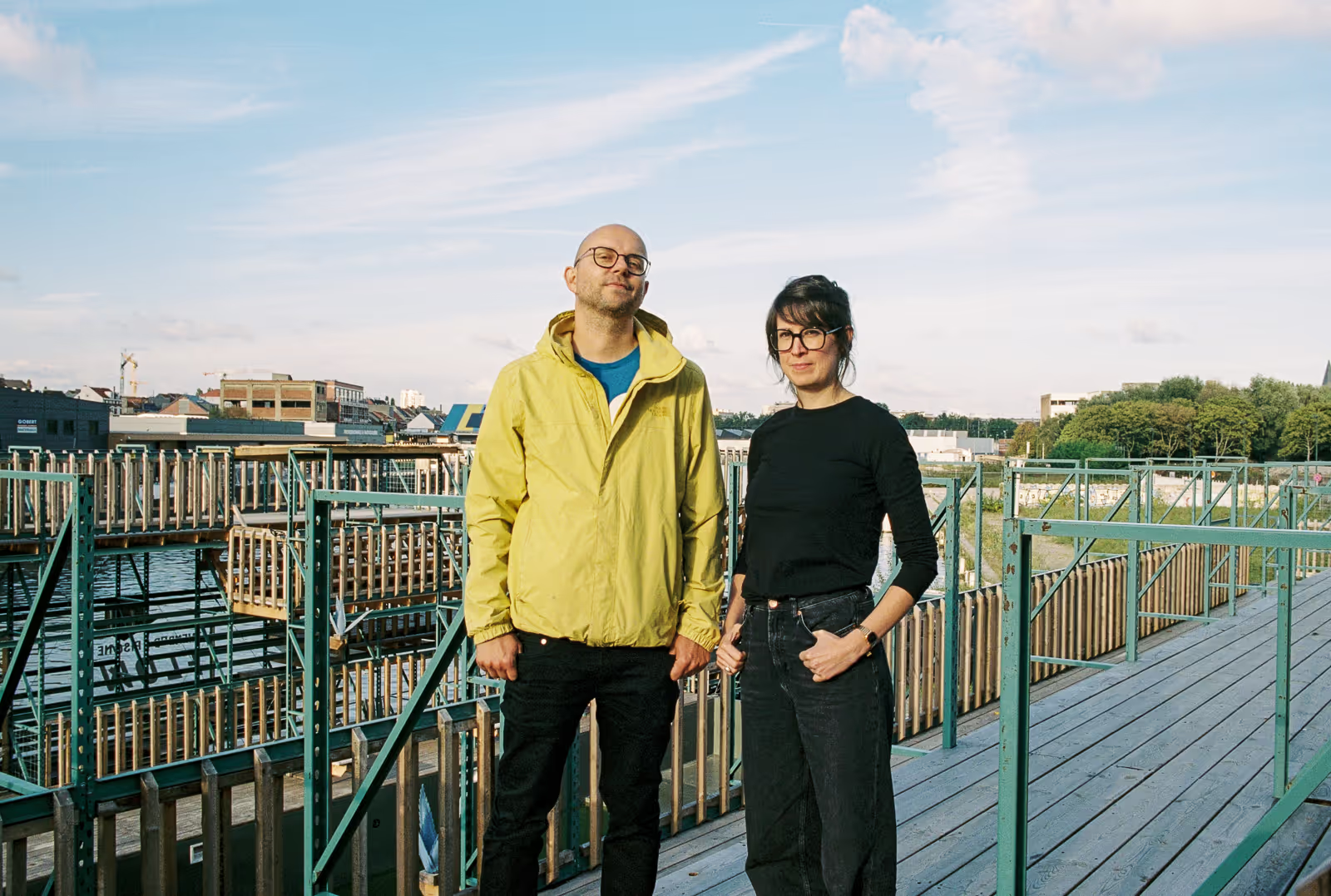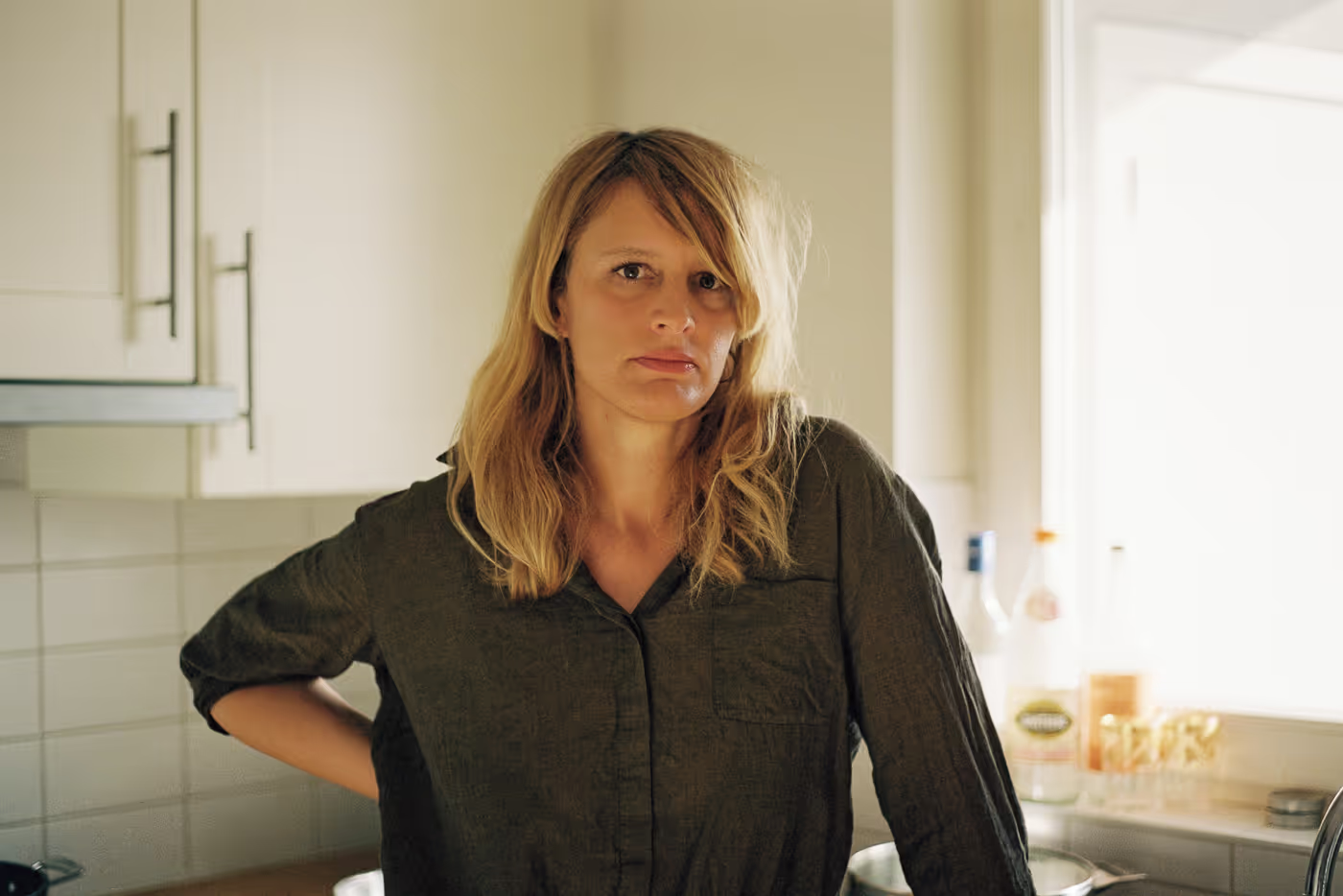
Head light designers Liam Van Belle and Max Gaublomme (Dream Plant) share their pathways to Horst and how it became Brussels’ incubator for creative event experimentation.
Written by Dana Kuehr
Top Image: Willem Mevis
Dream Plant didn’t emerge from a particular school or studio. It emerged from a party, the way many things in Brussels do these days! Four people, all doing internships or odd jobs in the orbit of Horst Festival and Club, started noticing they were thinking about the same problem: what is light actually doing here?
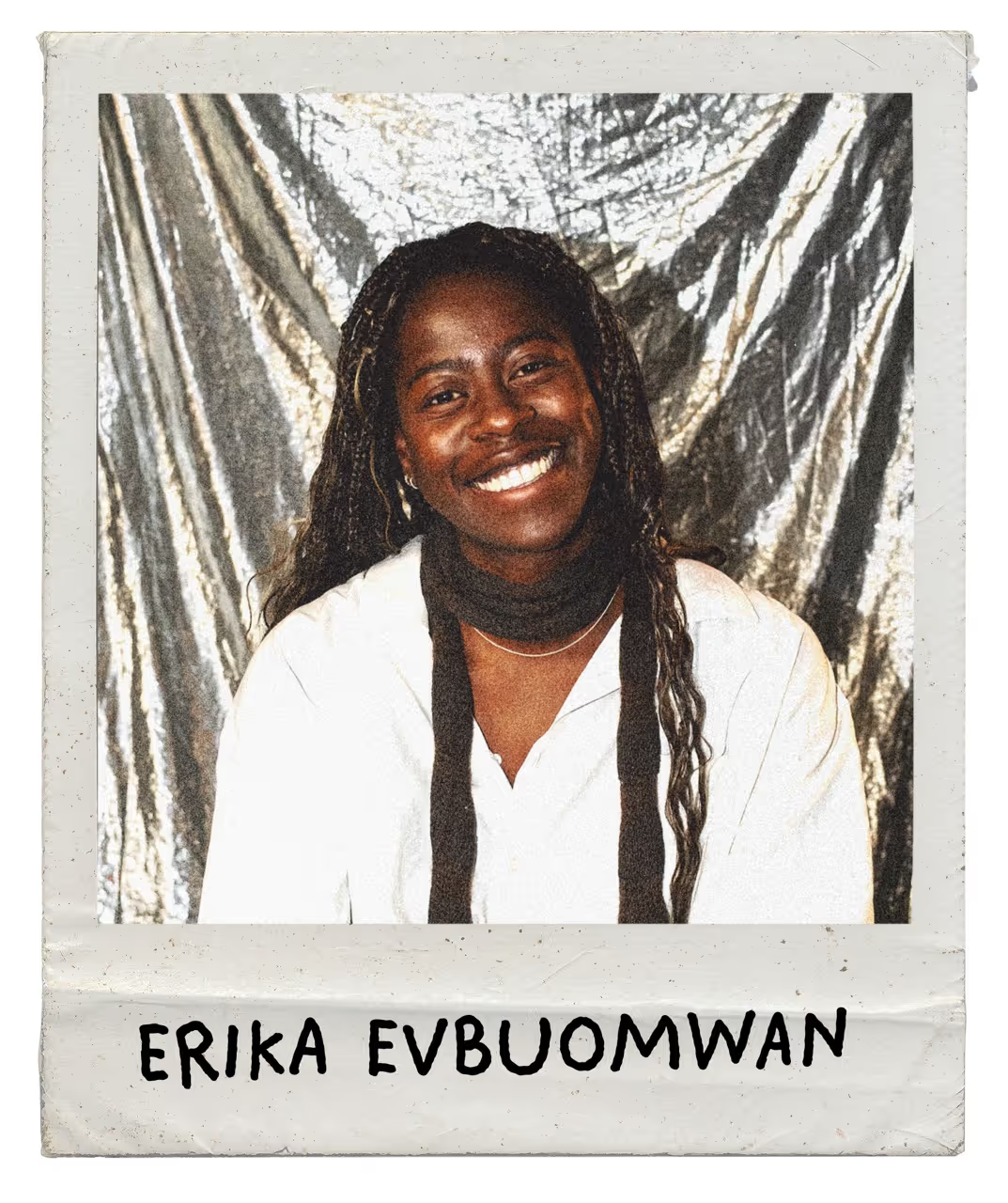
Liam Van Belle arrived at the same point from a different angle. He trained in technical stage production at RITCS Brussels, specialising in light design, and finished his studies with an internship at Horst as a light design assistant. A few editions later, he and collaborator Max Gaublomme were asked to step up as head light designers for the festival. "I got the chance to prove myself by designing one stage. I learned so much with every edition, and every year the team and work grew."
Historical note: The idea that light could be designed, not just aimed, has a long and fascinating lineage. Jean Rosenthal, a female pioneer in design working in New York from the 1930s, called light "the third dimension of scenery" and that light technicians were “electricians with notions”.
Josef Svoboda, the Czech scenographer who designed for opera houses across Europe through the mid-20th century, went further: he built his own light fixtures and developed indirect atmospheric techniques at a scale that redefined what stage lighting could do. His influence is more present in the club world than most people might realise.
Dream Plant didn’t emerge from a particular school or studio. It emerged from a party, the way many things in Brussels do these days! Four people, all doing internships or odd jobs in the orbit of Horst Festival and Club, started noticing they were thinking about the same problem: what is light actually doing here?
Liam Van Belle arrived at the same point from a different angle. He trained in technical stage production at RITCS Brussels, specialising in light design, and finished his studies with an internship at Horst as a light design assistant. A few editions later, he and collaborator Max Gaublomme were asked to step up as head light designers for the festival. "I got the chance to prove myself by designing one stage. I learned so much with every edition, and every year the team and work grew."
Historical note: The idea that light could be designed, not just aimed, has a long and fascinating lineage. Jean Rosenthal, a female pioneer in design working in New York from the 1930s, called light "the third dimension of scenery" and that light technicians were “electricians with notions”.
Josef Svoboda, the Czech scenographer who designed for opera houses across Europe through the mid-20th century, went further: he built his own light fixtures and developed indirect atmospheric techniques at a scale that redefined what stage lighting could do. His influence is more present in the club world than most people might realise.
To understand how this design culture formed, you have to understand what Horst actually is. Rather than a festival, it’s more like a situation: a place where curious and motivated people end up in the same room, borrowing each other's gear, showing each other how to do things, and slowly becoming collaborators without any sort of hierarchy or predetermined roadmap.
Björn Vanoverberghe and Lukas Gallon, two of the Dream Plant founders, found their way to light design via architecture studies. Samual Tocci and Max Gaublomme found it through underground music culture. Liam Van Belle came from theatre and opera. None of them were looking to start a light company. "What makes Horst really special is seeing it as a breeding ground of possibilities. A place to connect with people and to experiment," says Max.
{{images-3}}
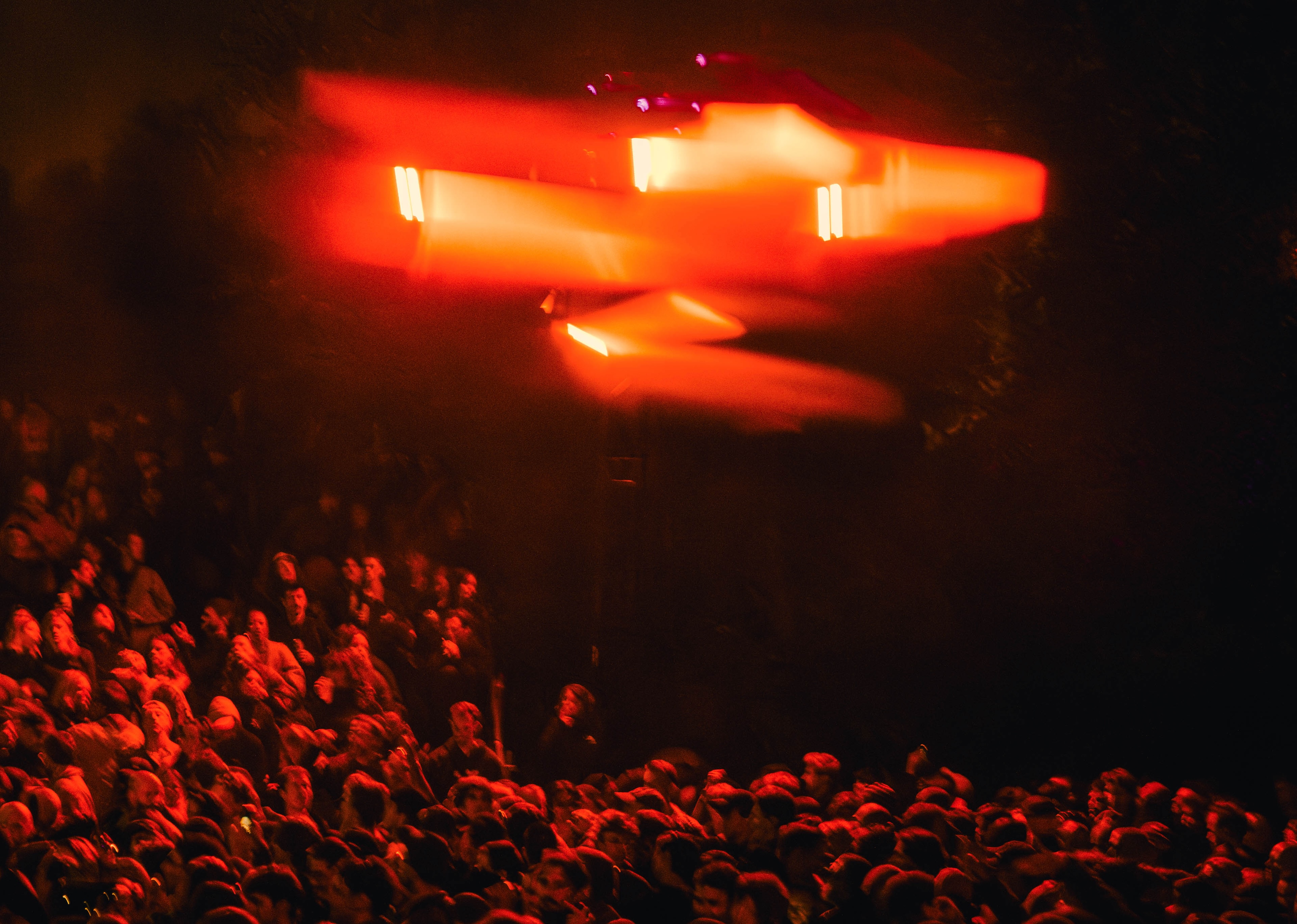
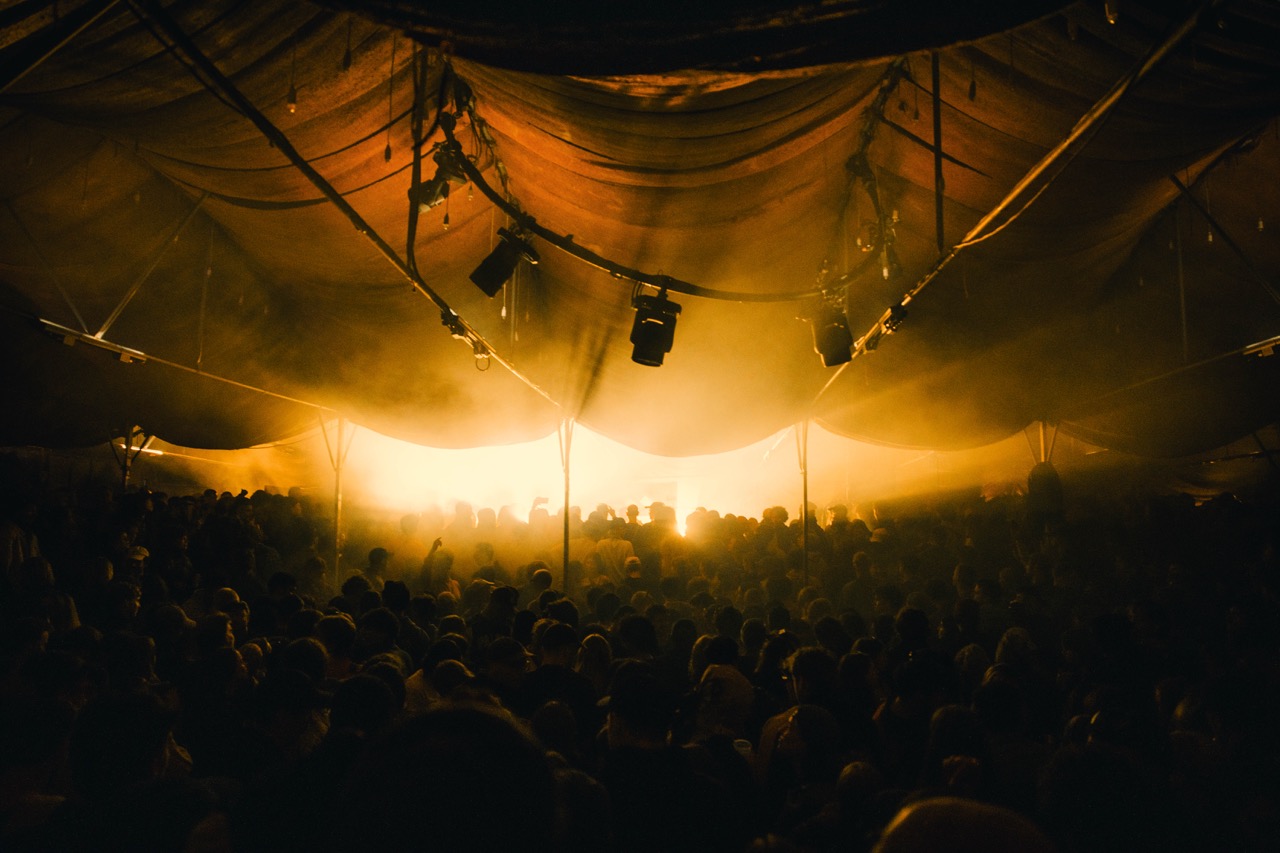
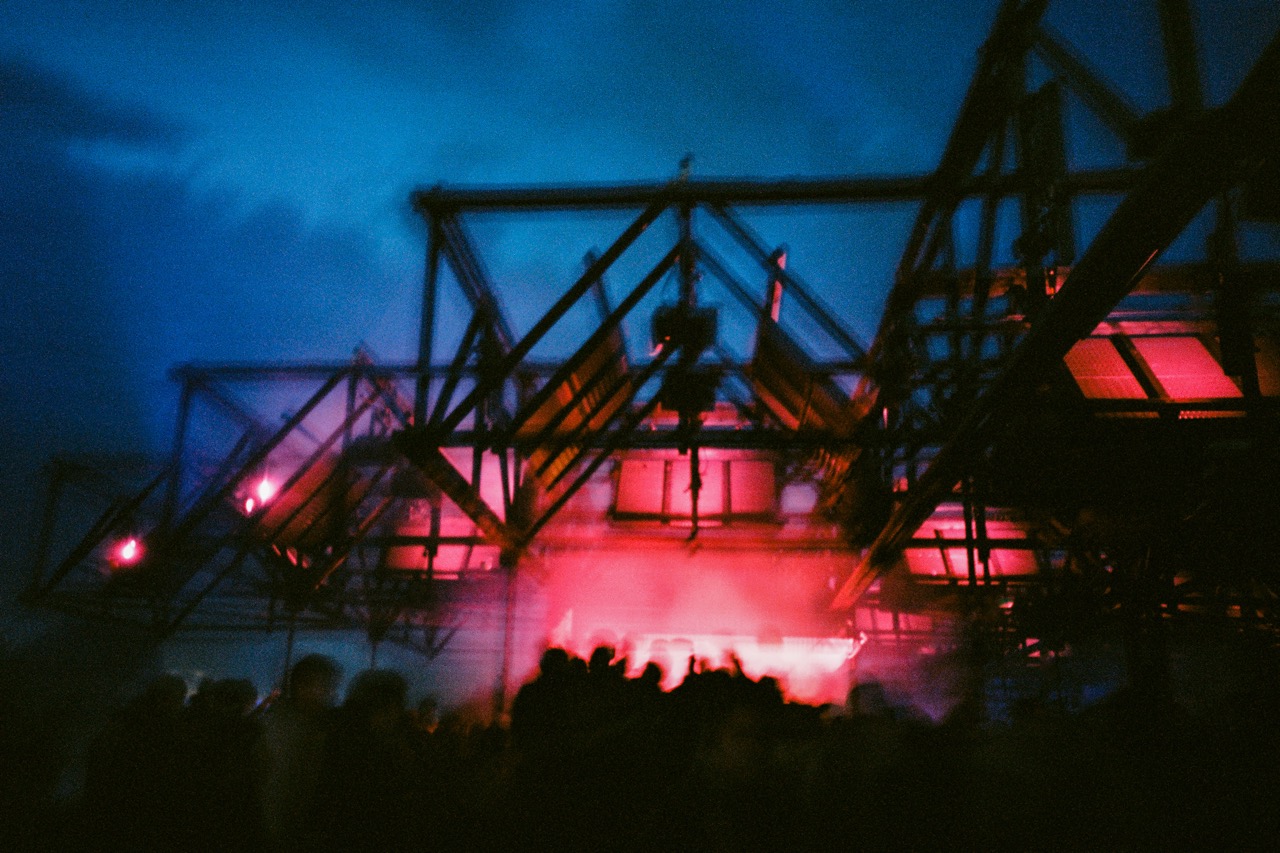
Liam describes their collaboration at Horst in similar terms. Dividing and conquering the light design across the entire festival, Dream Plant took the lead in the new club room Circus, the beloved Garage, and Le Soleil Rouge; Liam’s light team developed HoraBaixa, Dark Skies, The Ring, the Rain Room and the arealights.
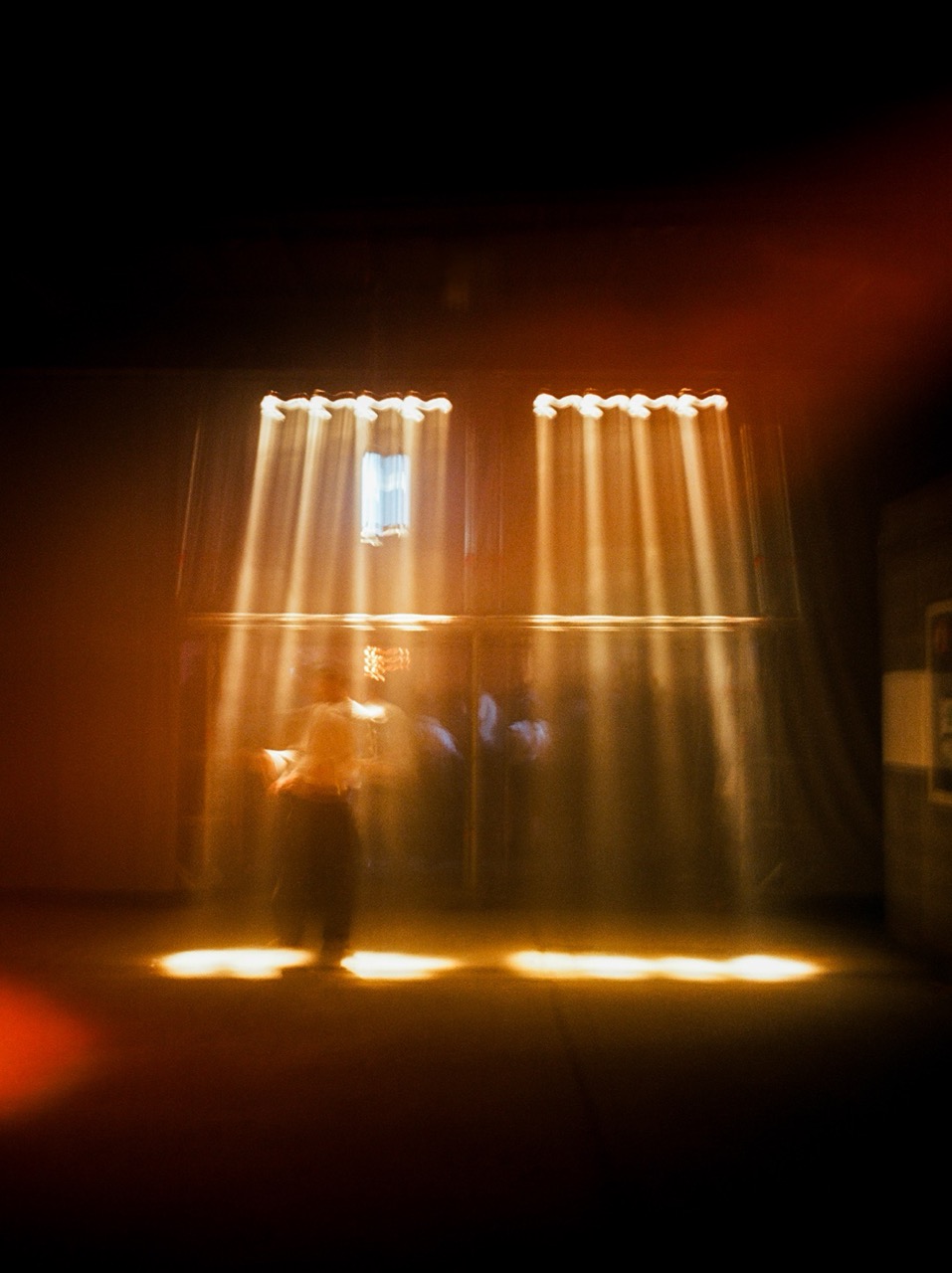
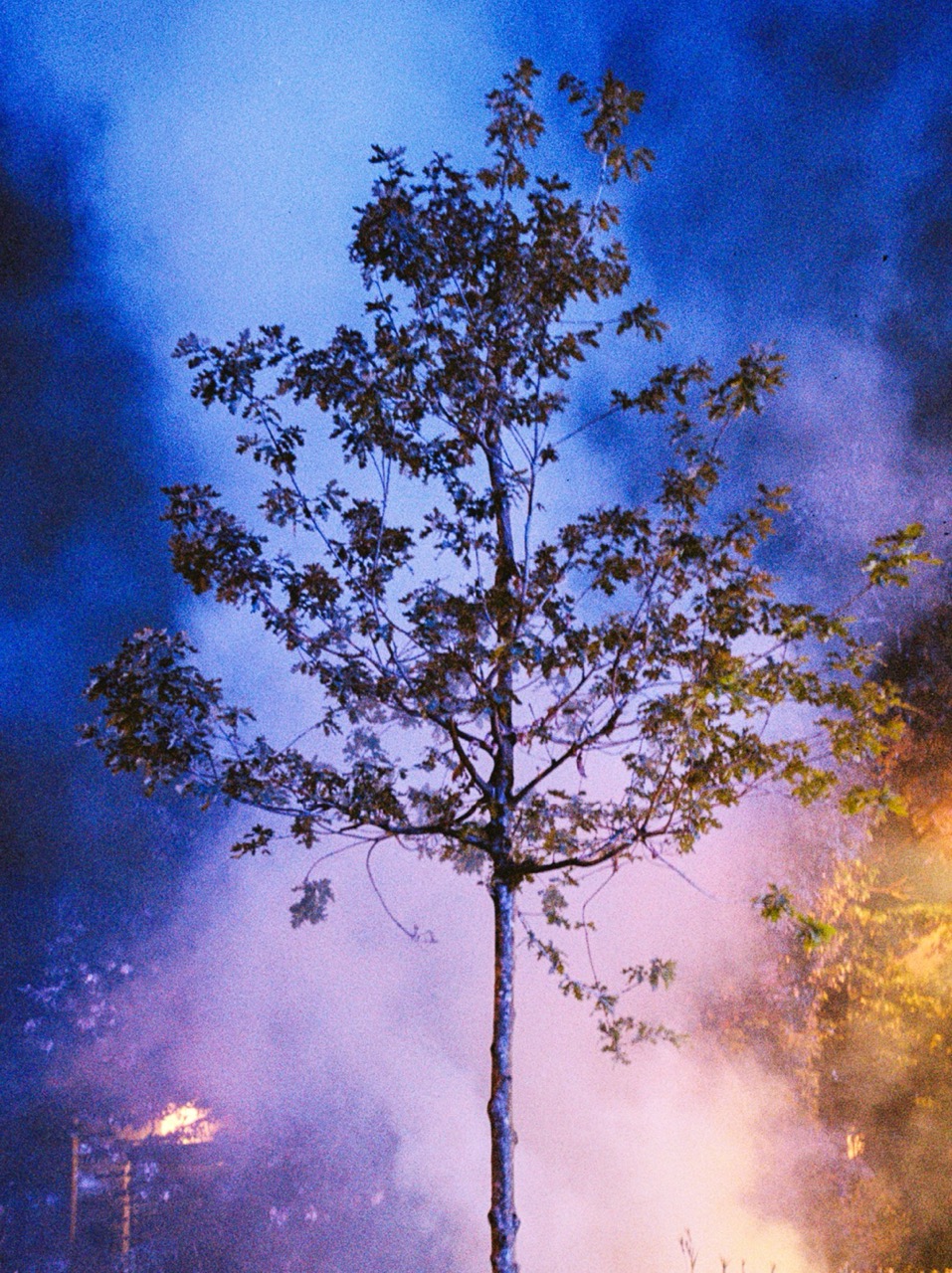
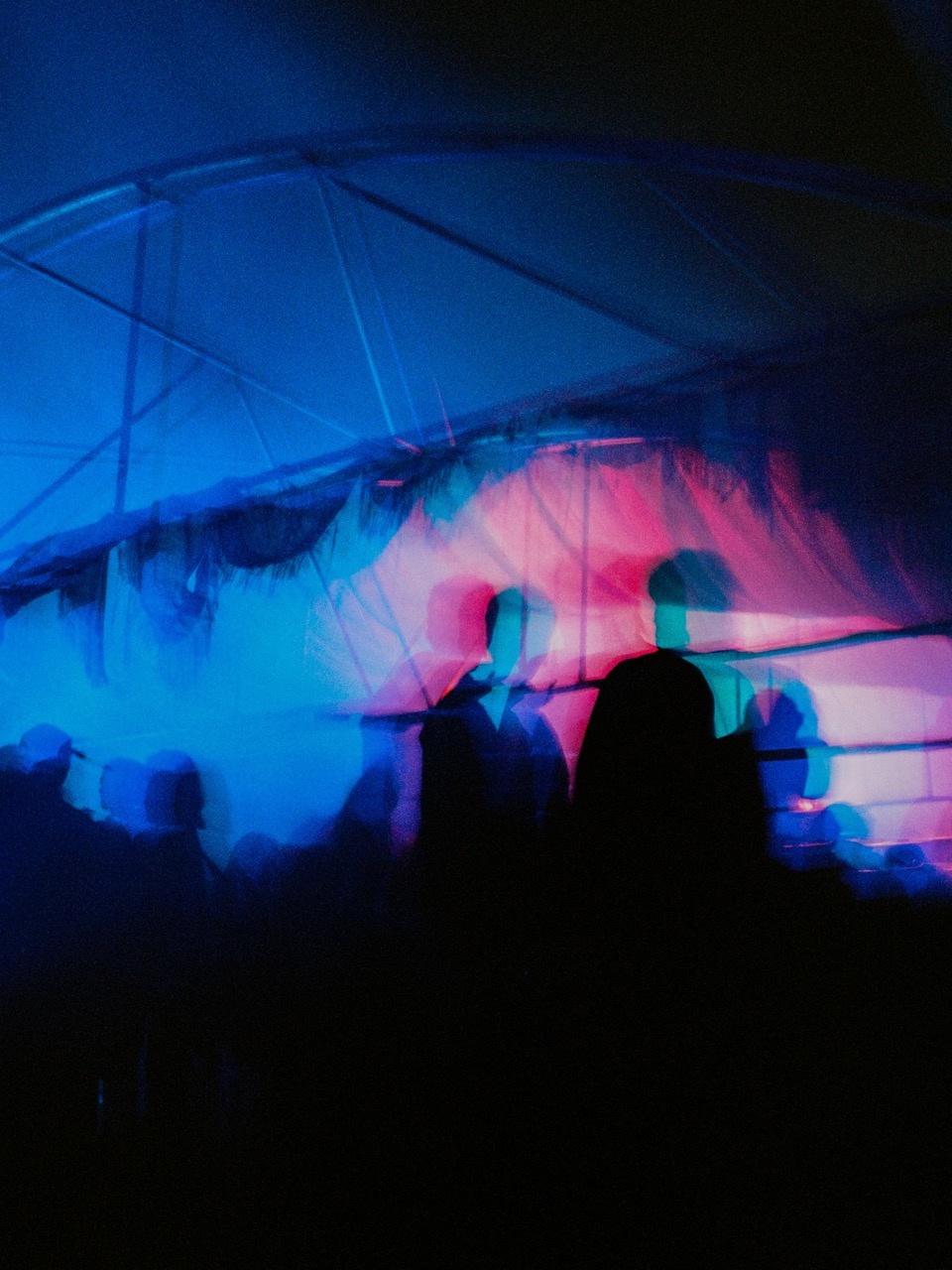
"Especially at night, you take over the sunlight, you take over the atmosphere. So the darkness is really one of the primary tools. I don't think of light as illuminating anything. It's more like a painting composition." — Liam Van Belle
When asked about their philosophy they will tell you almost immediately what they are not going for: not spectacle, not reactive, not in your face. The team refines the approach again and again until arriving somewhere rather restrained and minimalistic.
Liam spent four years working in opera before Horst, and it shows in his approach: minimal fixtures, conventional theatre spots and old light bulbs, indirect sources, drama built from contrast rather than intensity. His reference point is Josef Svoboda, the Czech scenographer who built his own light fixtures when the industry could not supply what he needed. "He inspires me because it is very bombastic, but the light design is very indirect. You don't see the fixtures. The moods and atmosphere are very outspoken, but you don't see any tech directly, creating this intriguing energy."
{{slider-1}}
Darkness isn't just an absence to be filled. "Especially at night, you take over the sunlight, you take over the atmosphere. So the darkness is really one of the primary tools. I don't think of light as illuminating anything. It's more like a painting composition."
The Dream Plant model is more musical: the designer as composer, the operator as conductor, building tension across hours rather than reacting beat-for-beat to the music.
"We always want to create a certain atmosphere that allows for personal interpretation. We never want to impose an idea on the crowd. The music should be at the forefront. Light is the secondary layer, but it’s essential in context with the music." — Max Gaublomme
Historical note: Light operating in counterpoint to music rather than in direct response to it has roots in the 1960s San Francisco psychedelic scene, where collectives like the Joshua Light Show at the Fillmore East ran projections as an improvised, meditative show running parallel to the music. This philosophy was absorbed into early European rave culture and is only now being formally articulated by a new generation of designers.
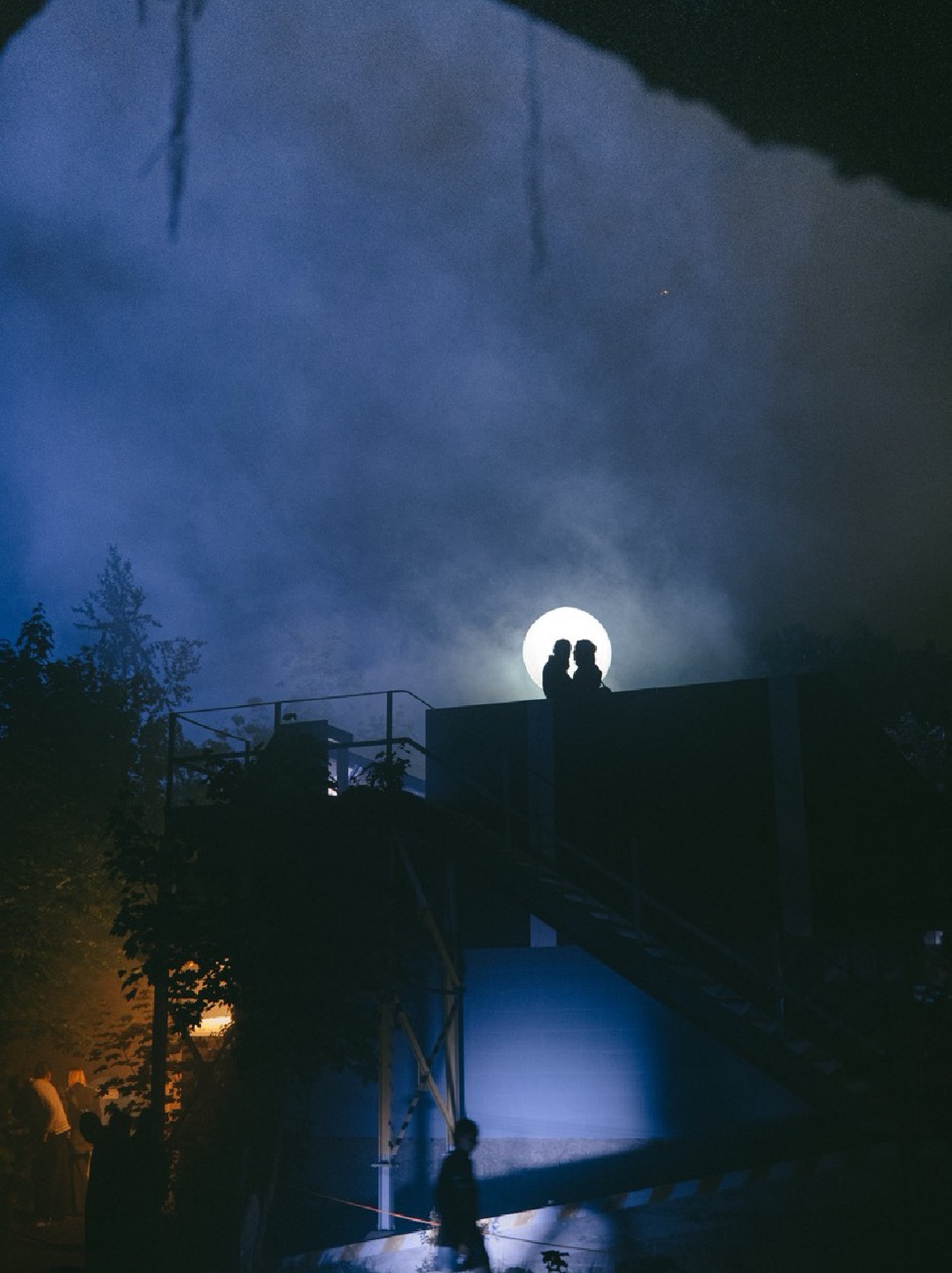
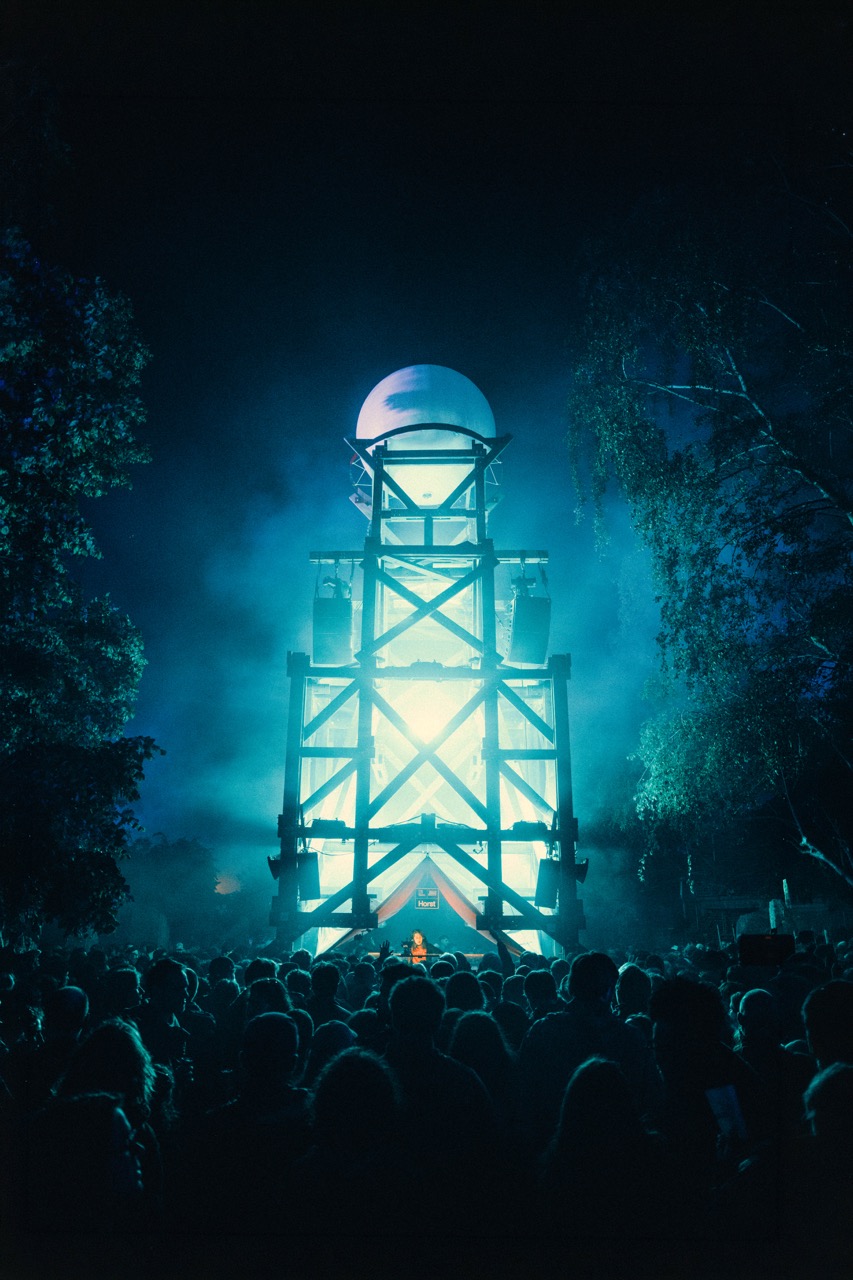
Both Liam and Dream Plant are emphatic that light design at its best is a conversation, not a service. The back and forth with architects starts early, takes long, and shapes everything. Horst Festival stands apart with its close integration with architecture, where ideas for gathering, listening, observing spontaneously combust into different forms around the site.
{{images-5}}
For Liam, working on stages like HoraBaixa and the Rain Room at Horst Club, that means going into conversation before a single fixture is decided. What do the architects want people to feel? What does the space already give, and what does it need? "I like to create an extra layer on the architecture, but not distract too much from it. I really want to try to achieve what they felt by designing it, and how they want the audience to perceive its elements."
"I like to create an extra layer on the architecture, but not distract too much from it. I really want to try to achieve what they felt by designing it, and how they want the audience to perceive its elements." — Liam Van Belle
Dream Plant was also in the room in the earliest days, as co-designers of the stage rather than responders to it. At the Circus stage at Horst, designed with architecture studio TAKK, working through the architects' vision, and staying in the conversation until the light and the structure felt continuous."We think light can act as a kind of connective tissue. It has the ability to tie the architecture, the music, the people together, so the space can become the most complete, most whole version of itself."
"Sometimes we really align from the first fixture. Sometimes we have some friction, but that's also very good. You keep working on it until you align 100% with the artist," Liam adds.
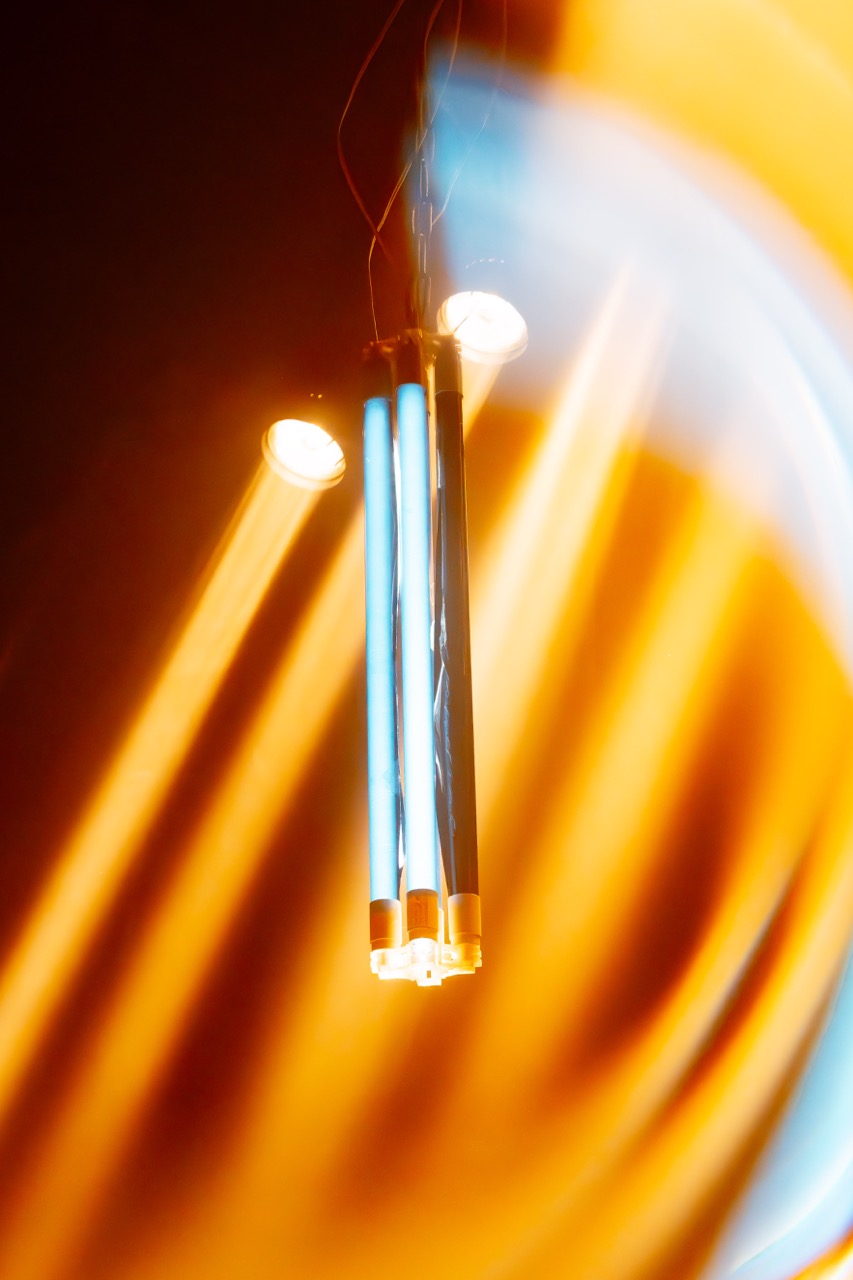
Materials are where individual light designers start to shine through. Liam reaches for old theatre spots, warm light bulbs, conventional sources. Dream Plant scavenge: corrugated plastic roofing sheets, metal rods from building sites, a grid of light sockets whose layout was drawn collaboratively one evening after dinner, each adding to a pattern that became the wiring logic of an actual installation.
When that lamp, which was a show-stealer at local party Beautiful Freaks, ended up in the toilets at the next edition, its bulbs rearranged to spell WC, no one felt too precious about it. The joke isn’t separate from the work, it keeps the work fun, alive, and ensures that no one takes themselves too seriously.
Liam, meanwhile, issues a briefing to all Horst operators every year with two non-negotiable rules: "We don’t like the colour green. So no one is allowed to use green. And no rainbow chases. Those are the two big rules."
Both designers return to the same analogy when talking about what happens after the design is in place. The designer creates the canvas, the operator paints it. But that relationship only works with genuine trust and communication on both sides.
{{images-2}}
"It's not because a light can do 20,000 things and 20,000 colours that it really needs to do that. It's all about those little nuances, the small choices. And then you let the operator do her own magic, let her personality shine through," Liam says.
Watching Samuel operate a rig at the Circus stage, Max was moved and surprised at what he saw. "It reminded me of a really good DJ set, taking a very long time to layer, layer, layer, and add more elements. Like playing a nine-hour live set with the instruments that he has built. I got really emotional by taking it all in."
"It's not because a light can do 20,000 things and 20,000 colours that it really needs to do that. It's all about those little nuances, the small choices. And then you let the operator do her own magic, let her personality shine through." — Liam Van Belle
Circus was a new stage at Horst. Max had watched Samuel many times before on other stages, but this time he watched the tension build over the full three days, a stage where everything clicked: the musical programming, the architecture, the stage managers, the people dancing. "It felt like watching someone play a nine-hour piece of music, layer after layer. So precise, like only he could have done it. If you really watched, you could see his personality in every choice. I've seen him do this many times, but this time it felt fragile and right at the same time.”
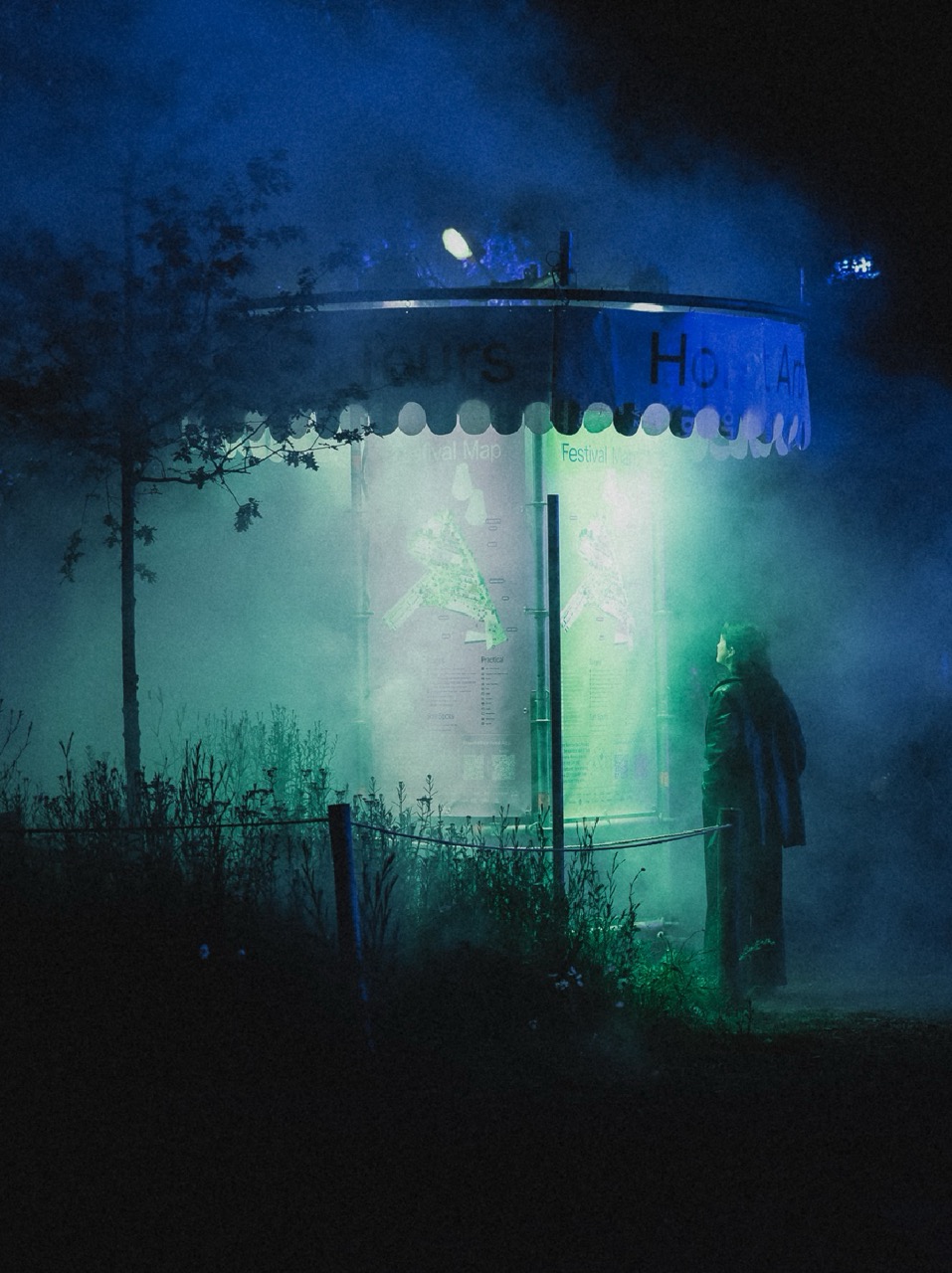
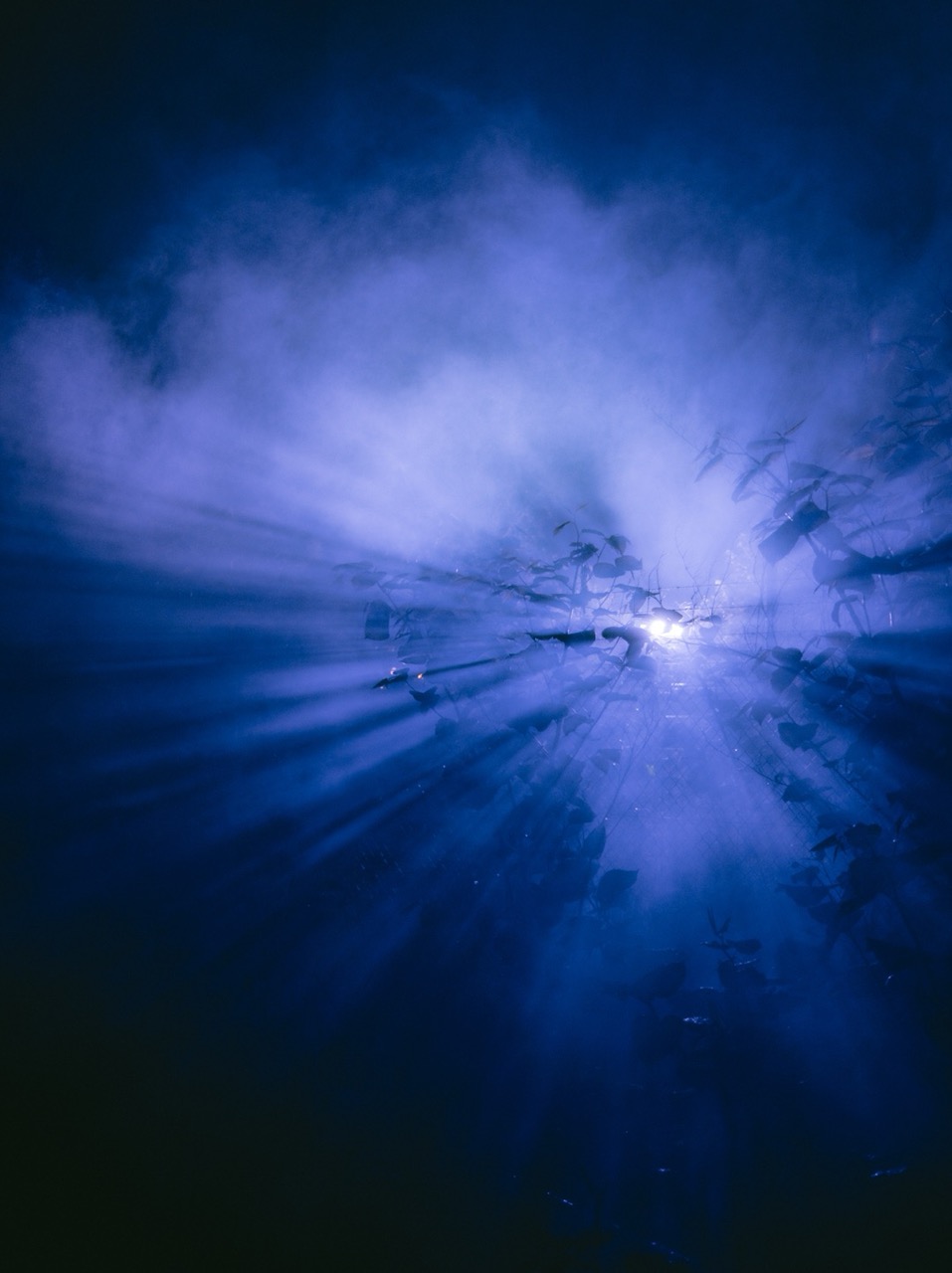
"When dusk is setting in," Liam says, "you are taking over the perception that people had during the day, and then you can create emotion and atmosphere. You want them to feel like they are walking into an alternate universe."
This is one piece of Horst’s design culture, the rest is up to you.
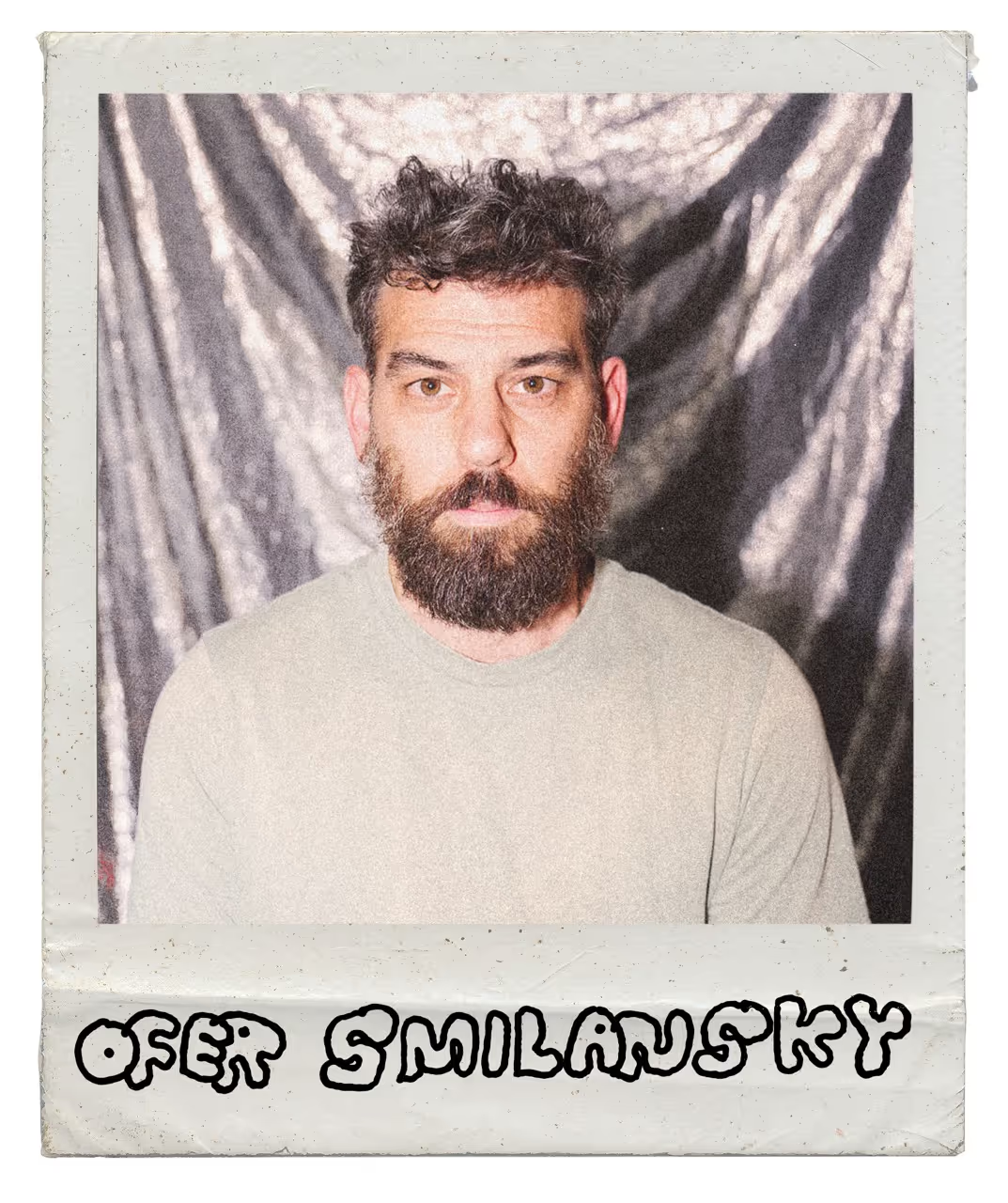
Liam Van Belle studied light design at RITC Brussels and has served as head light designer at Horst since 2023. Dream Plant is a Brussels-based design collective founded by Lukas Gallon, Björn Vanoverberghe, Samuel Tocci, and Max Gaublomme.
Thanks to all light operators: Alex Bardonnaux, Jonathan Siegmund, Jordy Werner, Robbe Vocaet, Raphael Van Mol, Max Adams, Cas Aerts, David Van Overschee, Samuel Tocci




.avif)
.avif)
.avif)
-234.avif)